


Choosing the best advertising strategy for your business can be the difference between being memorable and being forgettable.
You might have the best product or service in the country, but if no one knows about it, then you'll be missing out on sales. In an age where we all hear so much about Meta advertising and digital marketing, it's easy to think that the traditional mediums, such as radio and billboards are no longer relevant or impactful.
But that couldn't be further from the truth. Both these mediums can be highly effective, with each having strengths and weaknesses that will suit different advertising needs and goals.
Billboards vs Radio Advertising: Quick Comparison
BillboardS
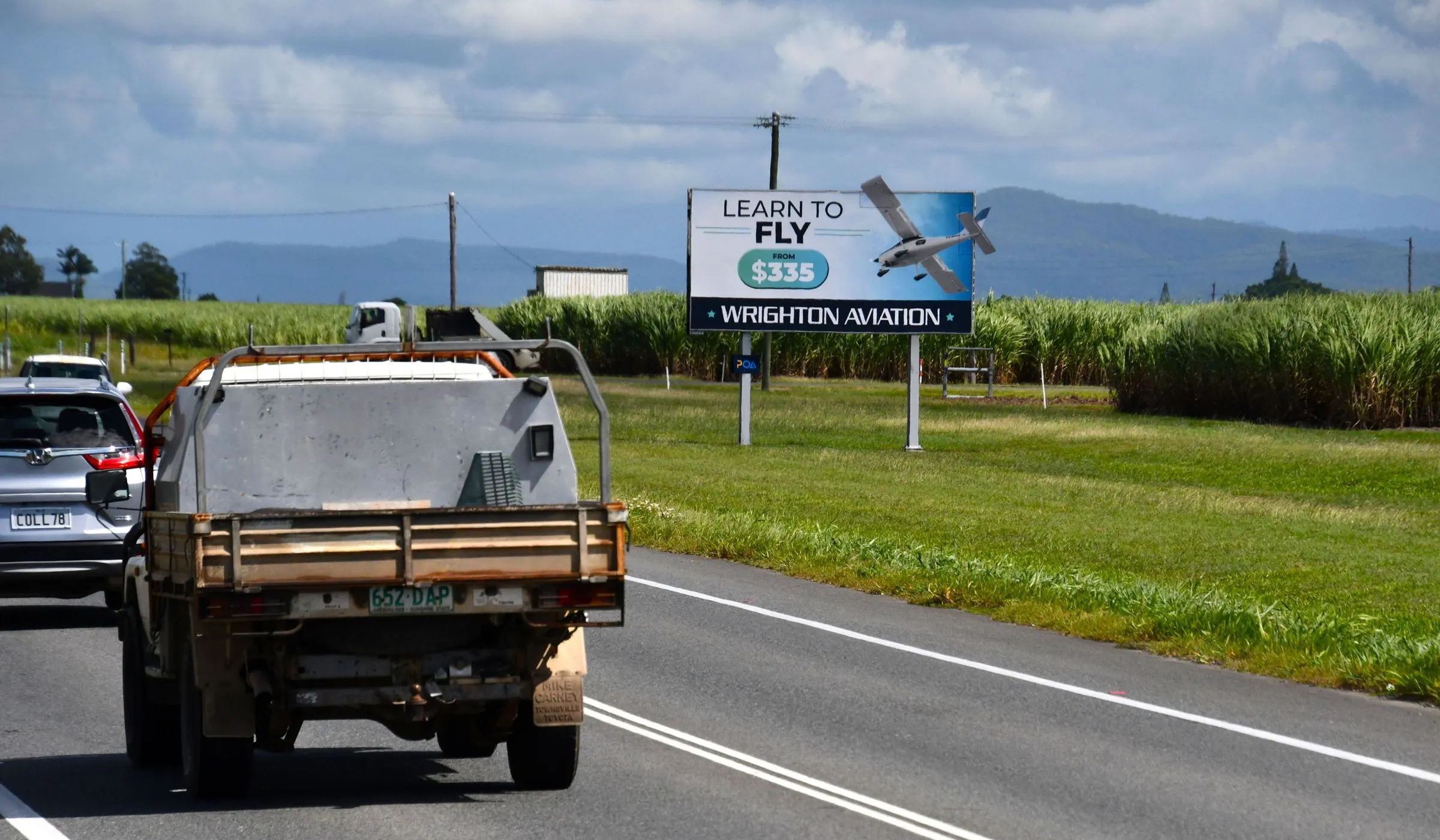
Billboards are large, visual-based advertising platforms with clear, simple messaging, in a fixed location, providing 24/7 exposure. What makes billboard advertising so good is that consumers can't skip them like a TV commercial, you can't simply turn them off and they run day and night. Typically, they are placed in busy areas where they capture the attention of drivers and pedestrians. Billboards are ideal for short, catchy slogans, bold logos, and details that people can read in a few seconds.
Radio
Radio advertising uses scripted voiceover, music, and sound design to create highly engaging adverts or 'spots' that connect with listeners. The duration of ads usually range from 10 to 60 seconds, with the longer the spot, the greater the complexity of the message that can be delivered. It allows you to explain details about a product or service and give details of offers or sales. Radio adverts are good for complicated or emotive messages, and for building trust over time. Like billboards, they can reach people regularly or repeatedly, which over time builds familiarity.
Daily reach also separates the two. Out of home media reaches more Australians on an average day than any other channel, including commercial radio:
|
Channel |
Exposed at least once a day |
|
Out of home |
92.60% |
|
Internet |
84.90% |
|
Commercial TV |
76.10% |
|
Commercial radio |
51.50% |
|
Newspapers |
31.90% |
|
Magazines |
12.90% |
Source: Outdoor Media Association Australia (OMA), Day in the Life study, Research Now
Cost of Radio Advertising
The cost of an impactful radio advertising campaign will vary depending on the location of the campaign, which radio station, and how long it will run for. The average metro 30-second ad starts at around $25 – $45 per spot during off-peak and $100–$450+ in premium breakfast/drive. Regional radio costs approximately $60 - $100 per 30 second ad during peak times, and large country towns can be $100 - $250 for the same.
For an impactful metro campaign you should be looking at $10,000 or more for a month of advertising across peak and off-peak slots. Keep in mind that radio advertising, regardless of the station, isn't as geographically specific as billboards and without significant spend, doesn't necessarily touch the same listener multiple times, as opposed to a strategically placed billboard advert. On a cost per thousand impressions (CPM) basis, radio sits at around $20, in line with online display and roughly double the CPM of a billboard.
Additional Costs of radio advertising
Depending on the size of the media spend and the overall deal with the radio station, there may be additional costs for the production of your advert. This can include scripting, voiceover artist fees and music licensing. Often though, if you are spending enough the station will provide these services for free or at minimal cost.
Cost of Billboard Advertising
The cost of an impactful billboard advertising campaign will be determined by the location and size of the billboard, and the duration of the campaign. On a cost per thousand impressions basis, billboards come in at around $10 – the lowest CPM of any measured media channel, ahead of online display and radio at $20, digital audio at $25, linear TV at $79 – $117 and cinema at $230.
Source: CPMs achieved by a Sydney-based media agency for people 25-54, 2024.
Regional and rural areas
- 4-week billboard advert: $500 to $3,500+ Price depends on size and location Airports and premium, high-traffic roadside locations attract higher fees
Major urban centres outside Sydney and Melbourne (e.g. Brisbane)
- 4-week billboard advert: $2,000 to $12,000+
What's great about billboard advertising is that it's highly scalable, engages many consumers on a repeat basis and can be geographically specific. Also, the visual element of a billboard leads to logo and brand retention by consumers, strengthening the value of it beyond just a single product launch or sale.
Additional Costs of Billboard advertising
With billboards, the main costs are the design of the advert, printing and placement of it. The cost for design can be mitigated by doing your own artwork, but there's no way of avoiding the print and installation fees. Typically, they aren't overly high and are amortised across a number of locations if your campaign is spread across several sites.
When Is Billboard Advertising the Better Choice?
Billboard advertising is more effective than radio when your campaign relies on 24/7 visual impact and when local physical proximity matters to your product or service. OMA research from 2022 found that 60.7% of people are only exposed to out-of-home media in the 60 minutes before arriving at a shopping location, so a well-placed billboard reaches shoppers at the point where they are closest to buying. It's also more effective for products or brands where packaging, logos or services rely heavily on a visual presence.
The gap is widest outside the metros. Roy Morgan research from 2022 found regional billboards achieve 85% weekly reach with the local population and 71% ad recall, ahead of regional TV and regional radio on both measures.
When Is Radio Advertising the Better Choice?
Radio advertising may be the better choice when your campaign requires detailed storytelling and your product or service needs some explaining that a static image can't achieve, then radio is going to allow you the ability to achieve this..
Should You Use Billboards and Radio Together?
According to market research, 74% of Australians see a billboard every single day, with 88% of consumers associating billboard ads with brands that stand out and appear reputable. This means that billboard advertising has a very strong likelihood of engaging consumers. Also, it's estimated that the average Australian spends 7.5 hours per week in a vehicle, so that makes radio advertising a good way to reinforce messaging and lets you connect with people visually via billboards and also through more detailed scripts on radio.
Billboard advertising can be a cost-effective channel in your marketing mix - but it takes careful planning to balance the return on investment. Most small business owners see billboards as brand awareness tools, rather than conversion drivers. The reality is that billboards can drive both. This gui
Read Article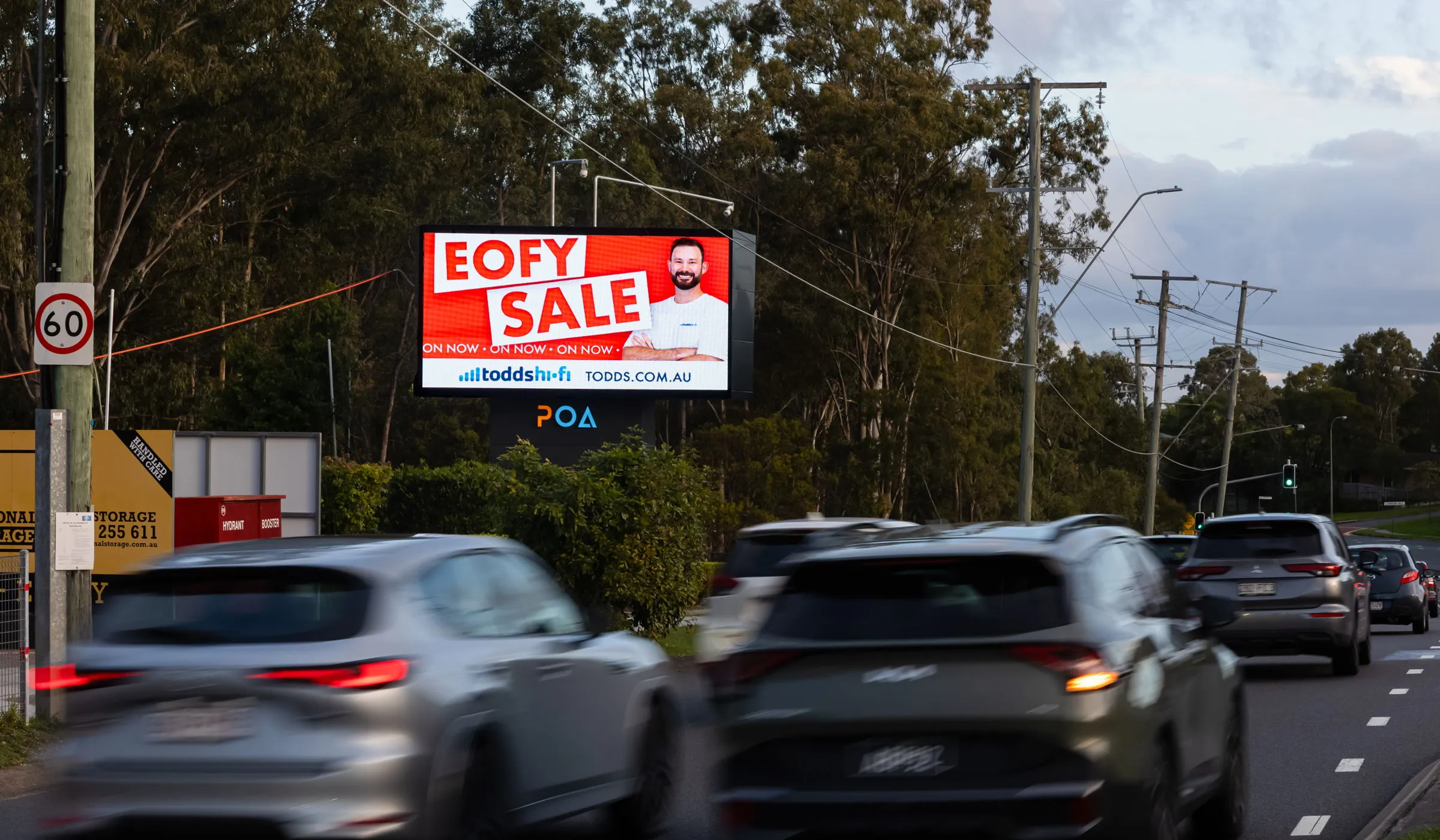
Billboard advertising and outdoor advertising continues to be one of the most effective ways for brands to reach prospective customers at scale. The latest data from 2025 published by the Outdoor Media Association (OMA) shows that out of home (OOH) advertising reaches 97% of Australians aged 1
Read Article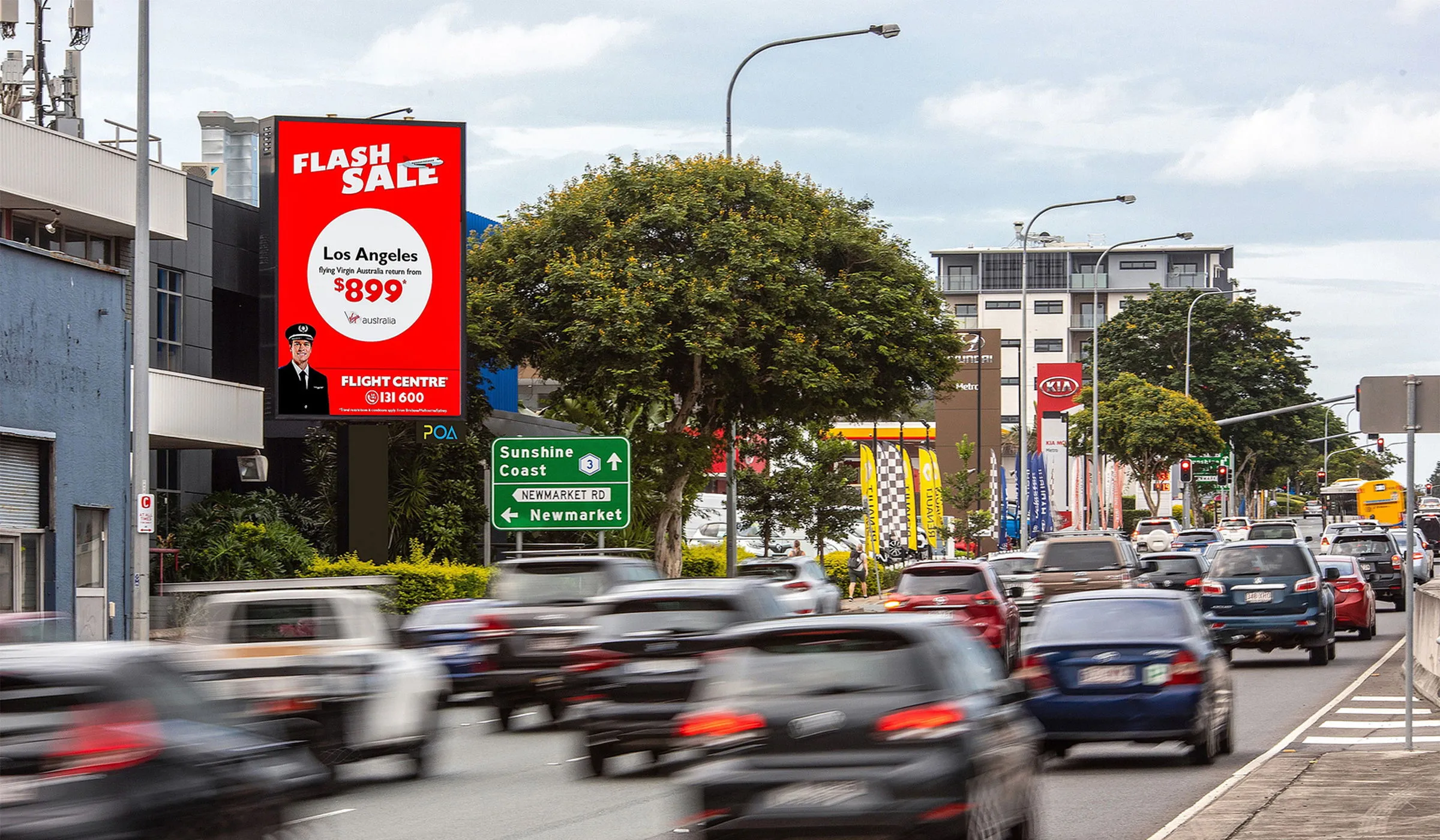
Billboard advertising (and by extension, out-of-home marketing) remains as effective at cutting through the noise as ever - billboard advertising statistics show that billboard advertising spend is increasing, and more companies are now including billboard advertising in their marketing mix in 2026.
Read Article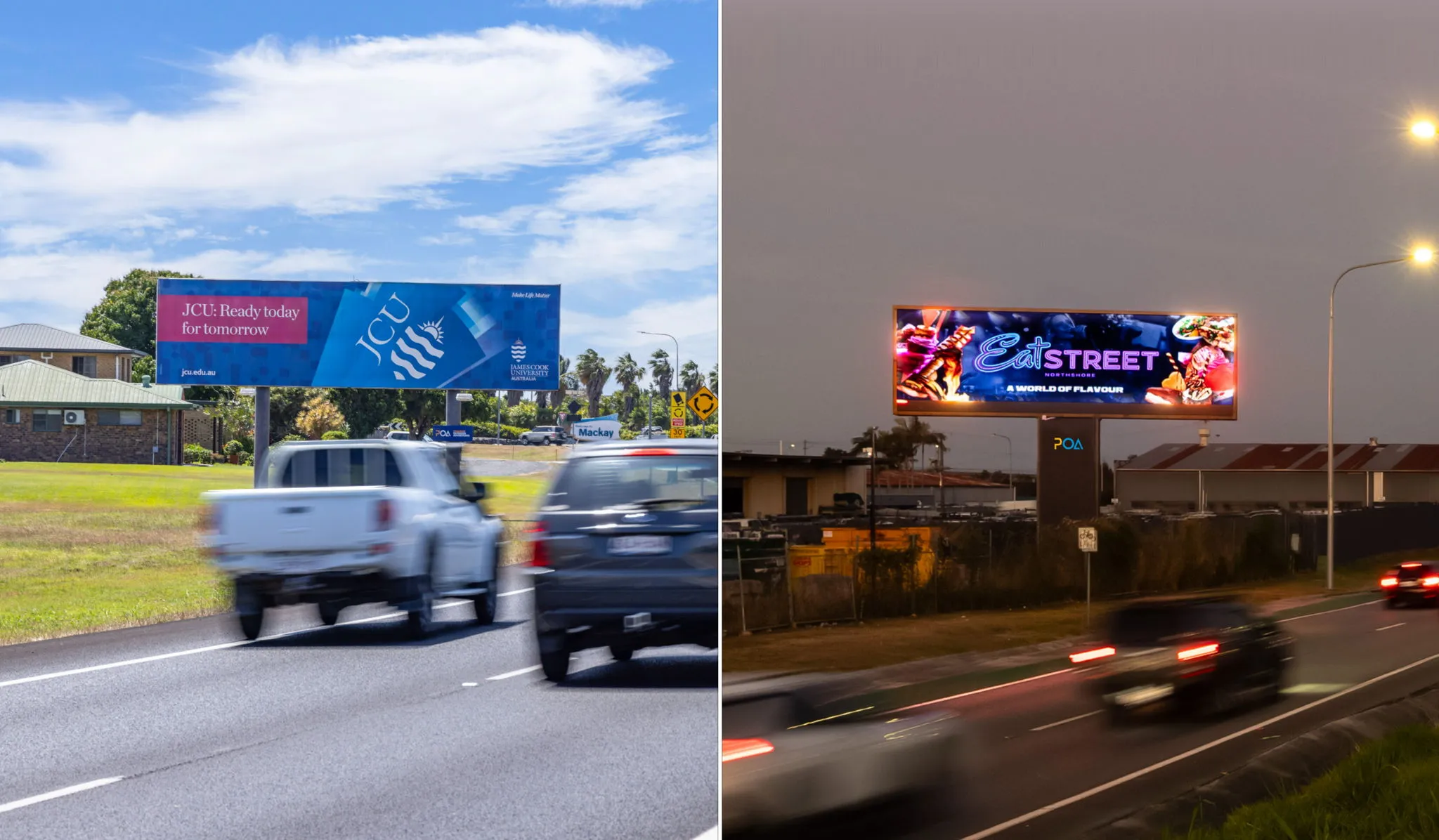
The outdoor advertising landscape in Australia has experienced rapid digitisation - in 2026, LED billboards are now commonplace in city centres, transport hubs, and along arterial roads. With digital advertising options coming into the spotlight, it raises the question of static billboards vs
Read Article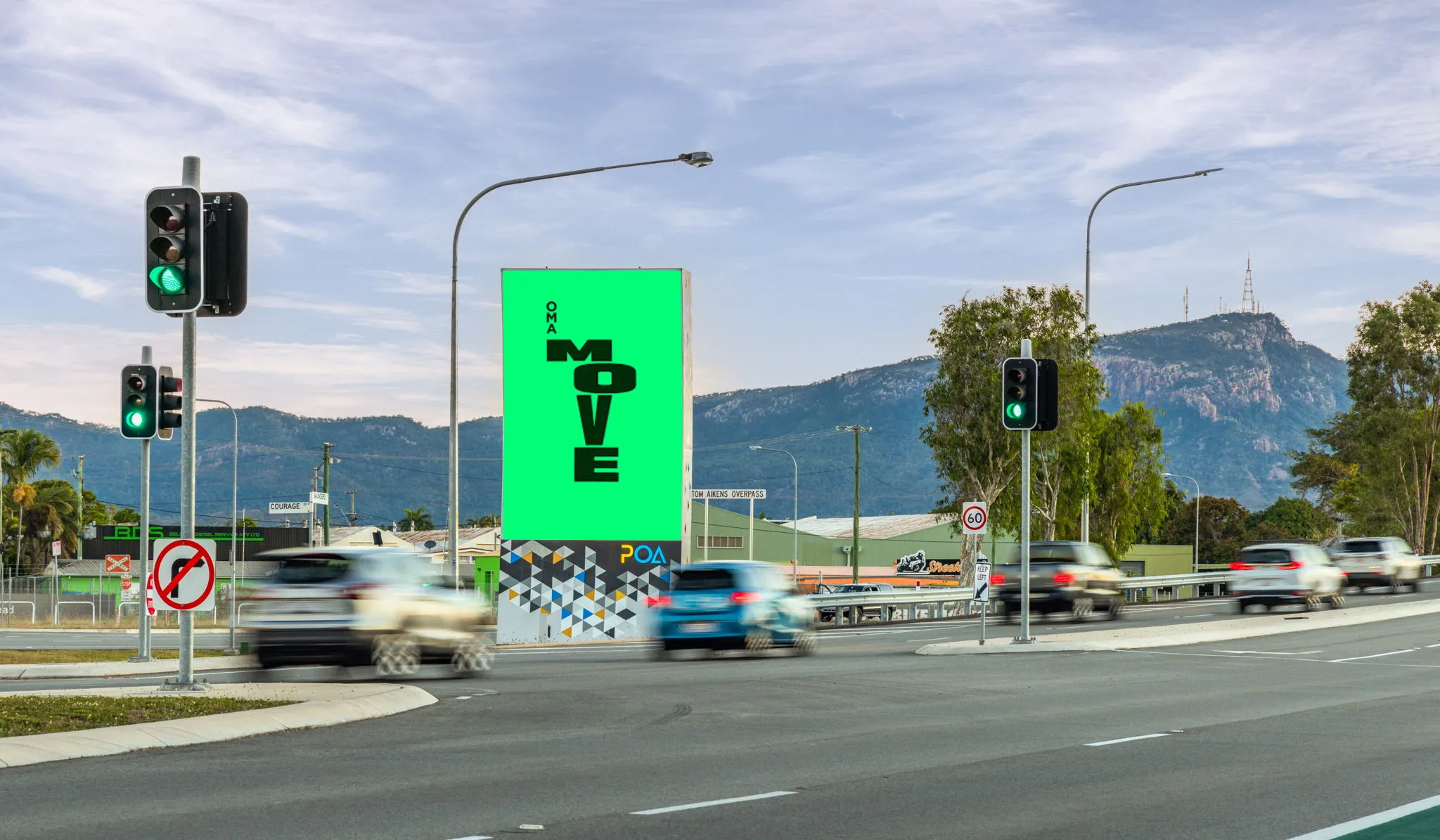
Launch of OMA Move and the Future of Regional Out of Home POA Billboards, a proud member of the Outdoor Media Association (OMA), is pleased to acknowledge the recent launch of Move — an industry-led initiative introduced by the OMA, Australia’s peak governing body for Out of Home (OOH) m
Read Article