


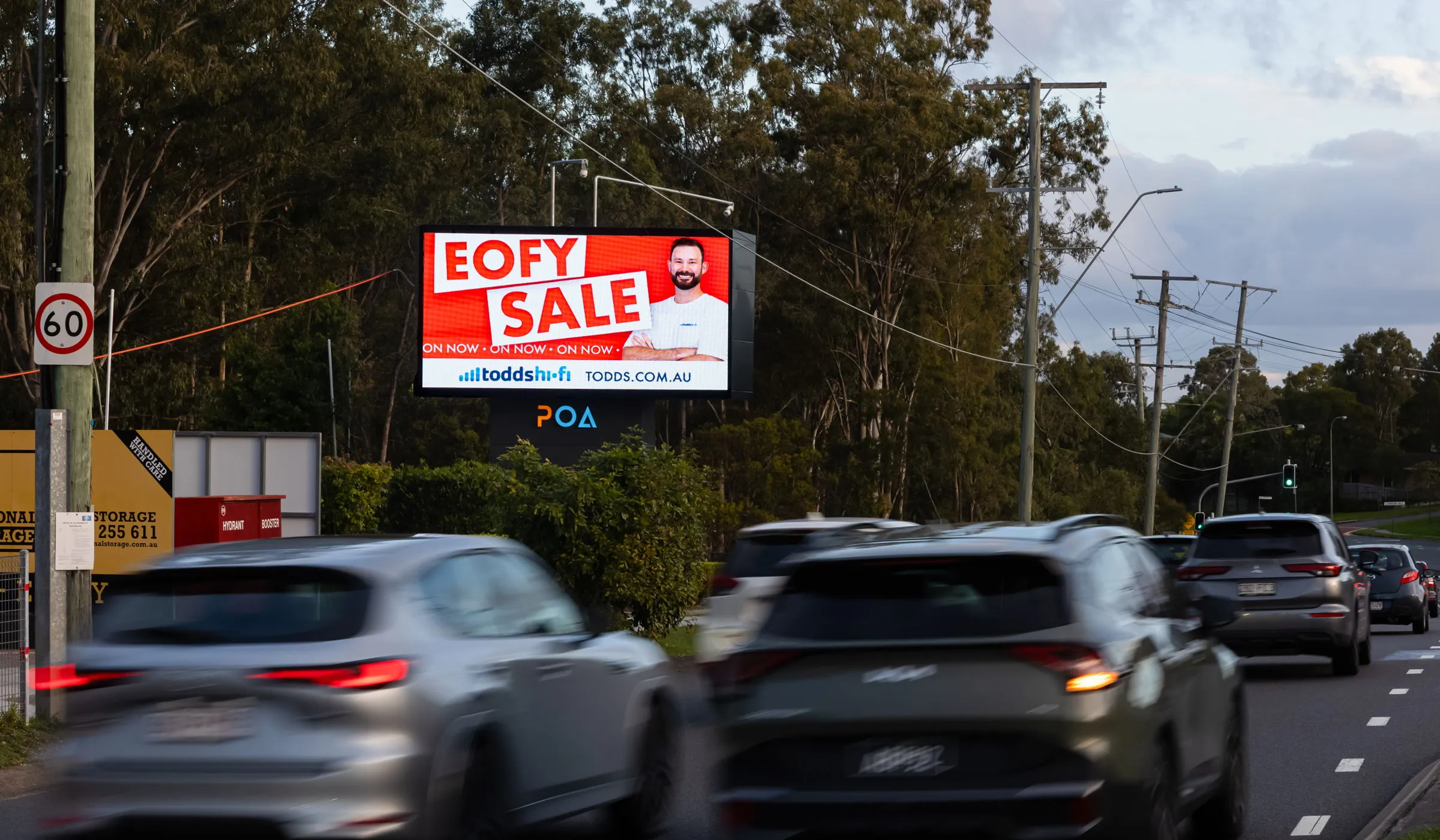
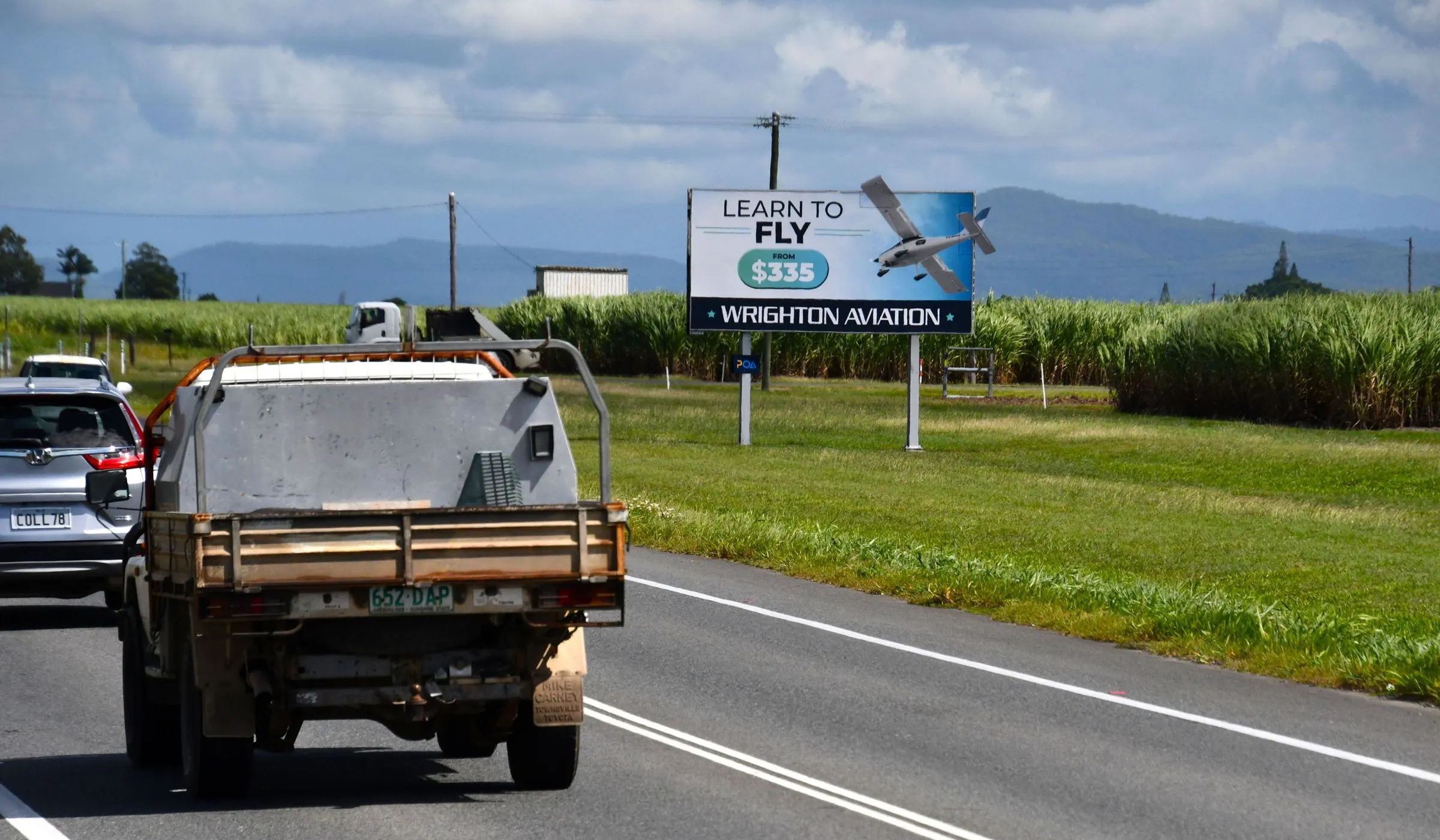
Billboard advertising and outdoor advertising continues to be one of the most effective ways for brands to reach prospective customers at scale.
The latest data from 2025 published by the Outdoor Media Association (OMA) shows that out of home (OOH) advertising reaches 97% of Australians aged 14 and over each and every week in Australia.
Below, we unpack the factors that determine billboard advertising success, the strategic considerations for brands, and how billboard exposure translates to ROI.
Billboard advertising powers consumer recall
Billboard advertising doesn’t just make a statement – it’s also memorable for consumers.
The latest data confirms that out-of-home advertising platforms like Billboards have the highest percentage of consumer recall at around 86%, often out performing other platforms such as radio, podcasts, online ads, and TV streaming.
Not only is out of home advertising memorable – it’s also omnipresent. One study found that 73% of people surveyed recalled seeing at least one ad on their commute.
One study found that OOH advertising channels like billboard ads actually account for a disproportionately high share of search engine actions compared with a smaller share of ad spend.
In other words, OOH advertising drives a significant portion of online actions for brands that invest but reserves a very modest percentage of the marketing spend. A study from Nielsen confirmed this fact with 46% of consumers using a search engine to look up information after seeing OOH advertising.
Out of home (OOH) & billboard advertising spend is on the rise
While the majority of discourse online is around online and digital marketing platforms, data shows that Australia’s out of home advertising spend reached new heights in the past 12-months with $1.44 billion in net media revenue – a jump of over 11% year-on-year from 2024 to 2025.
Out-of-home revenue recorded its largest year-on-year increase in Q2 2025, climbing 19.36% to $363.6 million.
3 key factors that affect effectiveness of billboard ads
1. Placement
Placement isn’t just the key to exposure – it’s also the key to reaching the right audience. Location, timing, and even the direction of billboards (particularly on roads) can have a tangible impact on the impact of billboard advertising.
2. Targeting
Targeting isn’t just reserved for online advertising – brands can also work with billboard advertising companies to understand market demographics and ensure they are positioning their message in front of the right audience for maximum impact.
3. Offer
Billboard advertising can drive exposure – that’s non-negotiable. However, when it comes to powering recall and driving online and offline actions, it’s important to have a powerful and compelling offer.
How to measure reach from billboard advertising
In Australia, the MOVE 2.0 is the standard framework for measuring ROI from billboard advertising. The MOVE 2.0 model uses a range of key markers including location data, traffic counts, and travel surveys to provide brands with an accurate estimate of how many consumers are likely to see a specific billboard.
The MOVE 2.0 framework empowers brands to make more informed choices about billboard advertising and provides a more accurate measure than traditional traffic counts which provides brands with a more reliable way to compare OOH performance against other marketing channels – including digital.
How to measure ROI from billboard advertising
Attribution can be a sticking point for those looking to take the leap into billboard advertising. Compared to online marketing like Google Ads and Social Ads, attribution from billboard advertising isn’t quite as simple – but that doesn’t mean that accurate tracking can’t be used to measure impact and return on investment (ROI).
Now, more than ever, brands have the power to measure the impact of billboard advertising with smarter digital reports. By using geofencing, mobile retargeting, and Google Analytics (GA4), brands now have more power than ever before to measure ROI and attribute OOH exposure with online behaviour.
References
- Outdoor Media Association (OMA) / MOVE 2.0: "MOVE 2.0 launches with synthetic audience of 2M Australians, bringing seasonality and granularity to OOH measurement,"
- Soofa Digital: "OOH Advertising Produces Highest Consumer Recall In Recent Study," 2023.
- One Day Agency, citing Arbitron: "What are the advantages and disadvantages of billboard advertising?"
- Comscore / OAAA: "Out of Home Advertising Drives Online Engagement," via Adsposure.
- (Stat: OOH accounts for 22% of search engine actions but only 4.1% of ad spend share)
- Nielsen / OAAA: "OOH Advertising Remarkably Drives Online Activity – Nielsen Study," Movia Media.
- Outdoor Media Association (OMA): "OOH revenue defies soft ad market to hit $1.44 billion in 2025,"
- Outdoor Media Association (OMA): "OOH ad revenue climbs to $363.6 million in Q2," Mediaweek, July 2025.
- Atlas OOH: "OOH and Performance Marketing: How Offline Media Drives Online Results."
Billboard advertising can be a cost-effective channel in your marketing mix - but it takes careful planning to balance the return on investment. Most small business owners see billboards as brand awareness tools, rather than conversion drivers. The reality is that billboards can drive both. This gui
Read Article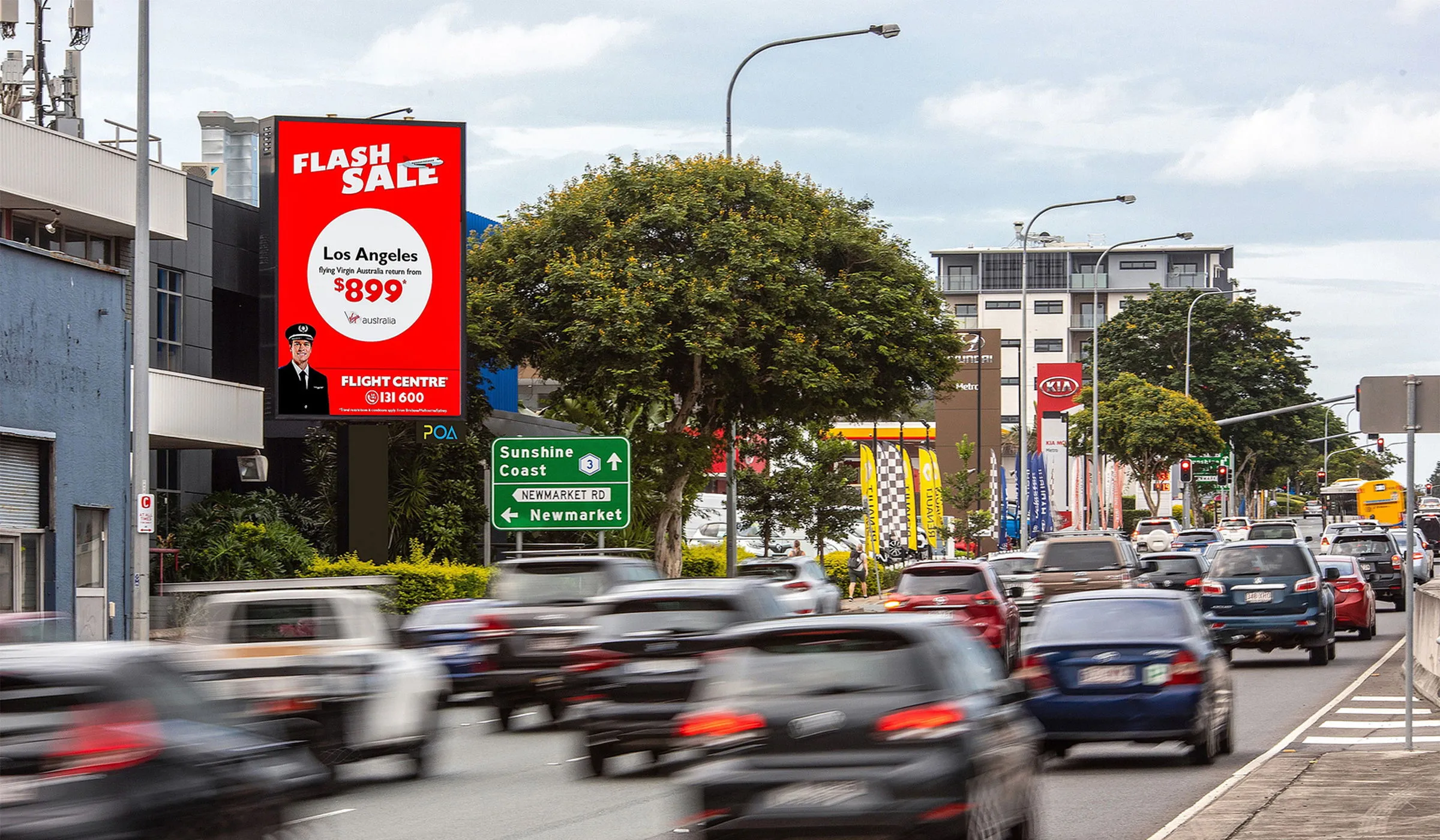
Billboard advertising (and by extension, out-of-home marketing) remains as effective at cutting through the noise as ever - billboard advertising statistics show that billboard advertising spend is increasing, and more companies are now including billboard advertising in their marketing mix in 2026.
Read Article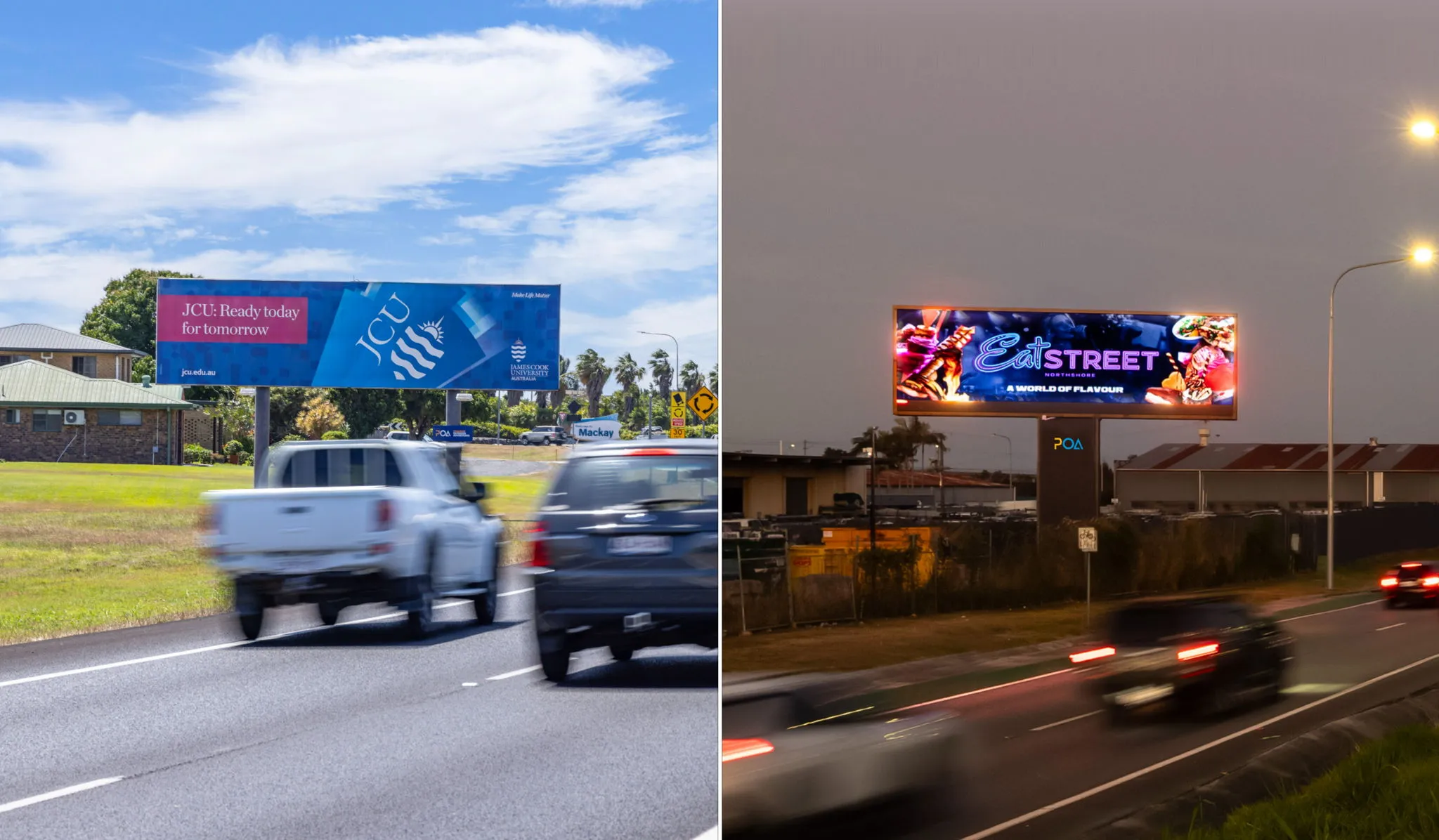
The outdoor advertising landscape in Australia has experienced rapid digitisation - in 2026, LED billboards are now commonplace in city centres, transport hubs, and along arterial roads. With digital advertising options coming into the spotlight, it raises the question of static billboards vs
Read Article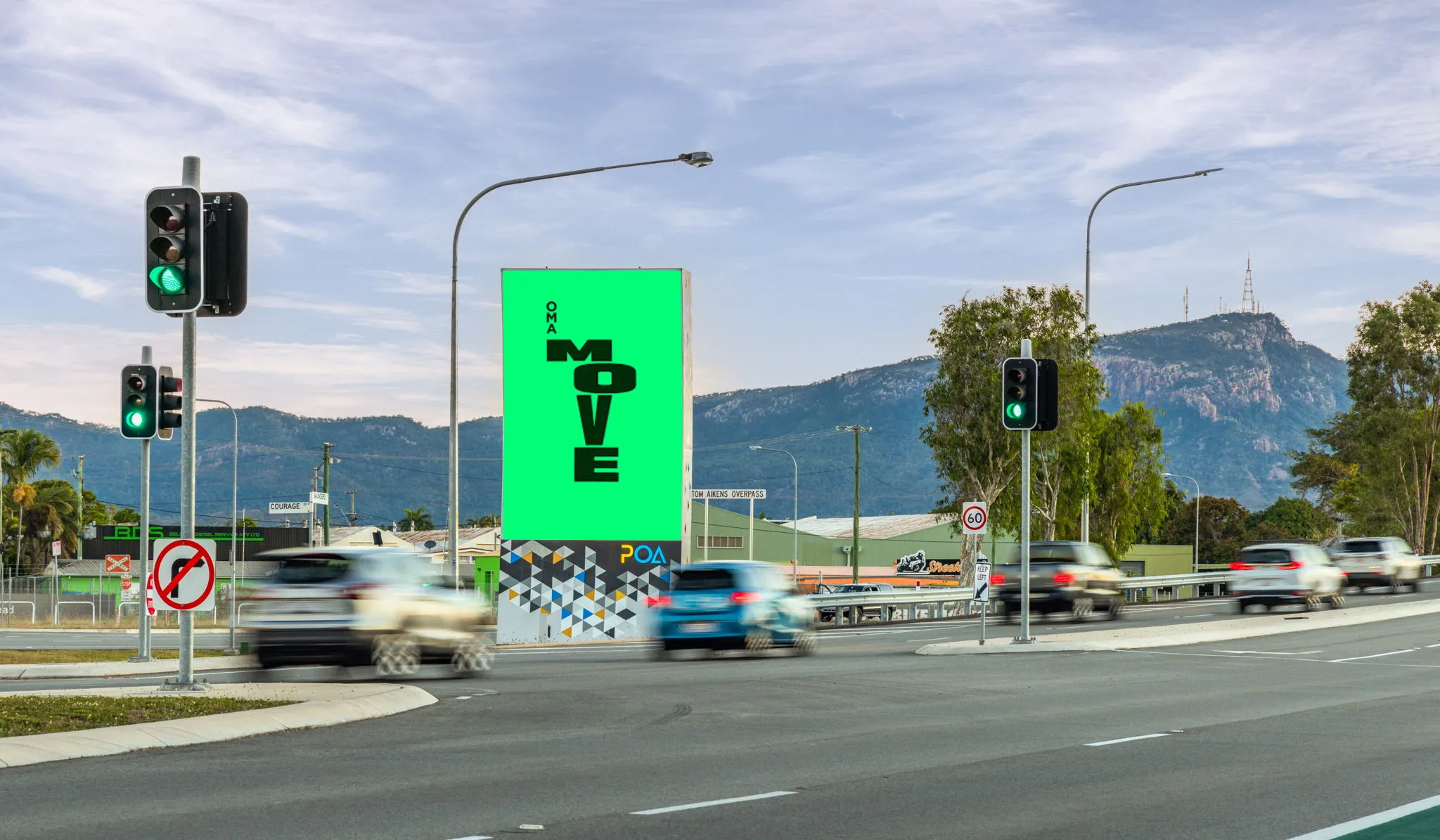
Launch of OMA Move and the Future of Regional Out of Home POA Billboards, a proud member of the Outdoor Media Association (OMA), is pleased to acknowledge the recent launch of Move — an industry-led initiative introduced by the OMA, Australia’s peak governing body for Out of Home (OOH) m
Read Article
POA Billboards Unveils New State-of-the-Art CBD Headquarters in Townsville POA Billboards has officially opened its new headquarters in the heart of Townsville’s CBD — a major milestone for the company and a significant boost for the city’s ongoing revitalisation efforts. The event
Read Article