


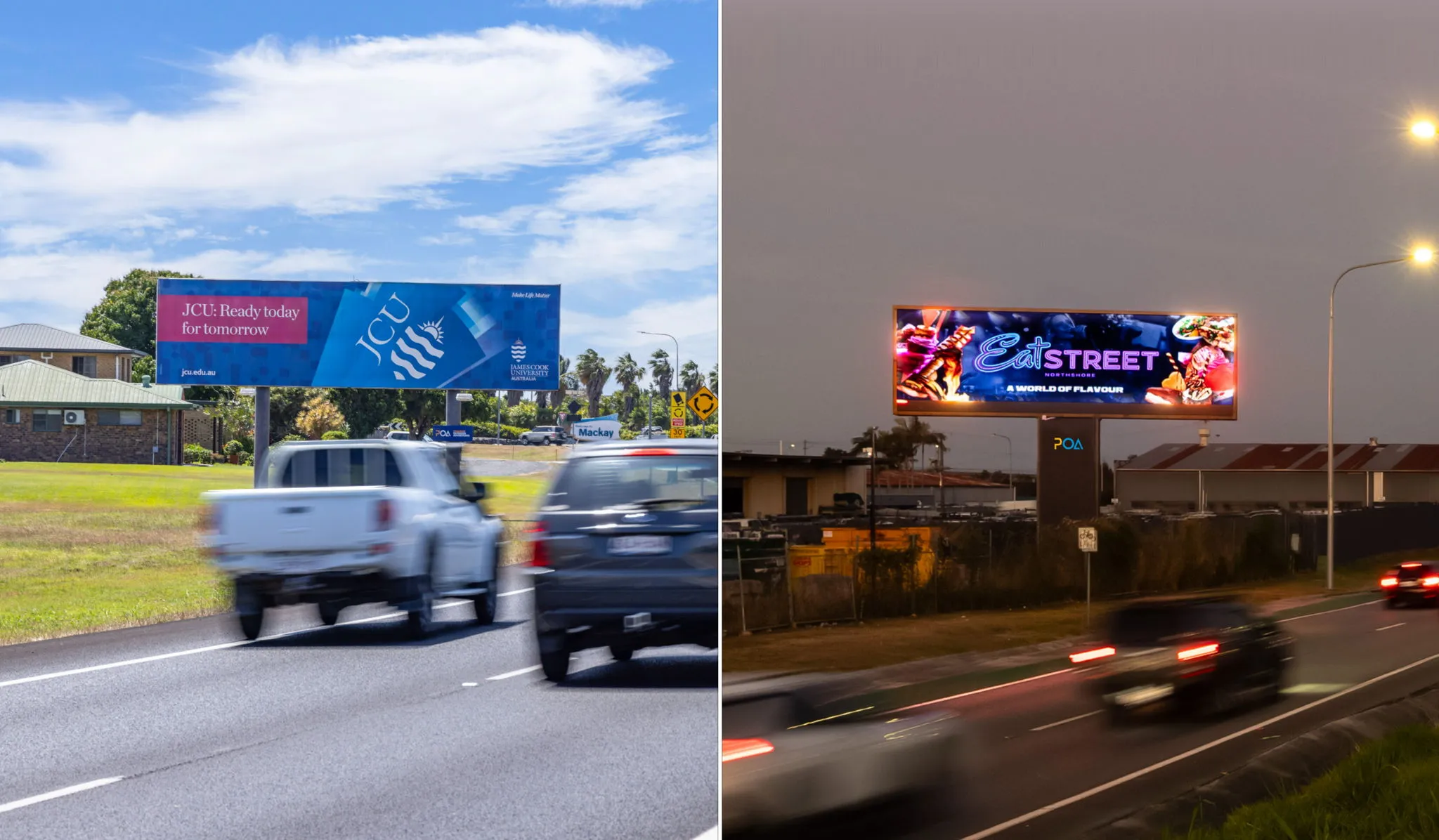
The outdoor advertising landscape in Australia has experienced rapid digitisation - in 2026, LED billboards are now commonplace in city centres, transport hubs, and along arterial roads.
With digital advertising options coming into the spotlight, it raises the question of static billboards vs digital billboards, and how each fits into an outdoor marketing campaign.
If your business is evaluating a decision between static vs digital billboards for an outdoor advertising campaign, here’s everything you need to know about the value and use cases of both options.
Are Digital Billboards Better Than Static Billboards?
This is a common assumption that most businesses have - and unfortunately, it often leads to a suboptimal approach for an out-of-home campaign.
Digital billboards are not inherently ‘better’ than static billboards. Both are different tools, built for different purposes, and the one that performs better in any given situation depends entirely on what a business is trying to achieve.
The businesses that tend to get the most return and make the biggest impact with outdoor advertising are not the ones that use one format exclusively over the other. In many cases, the greatest marketing reach and impact is achieved when both static and digital billboards are used concurrently.
A Comparison of Static vs Digital Billboards
|
Feature |
Static Billboard |
Digital Billboard |
|
Visibility |
Visible during the day, with lighting or reflective materials increasing visibility in the dark |
Highly illuminated, 24-7, display with intensity adjustable according to light intensity. |
|
Location availability |
Generally higher and wider availability, including along major highways and in remote regions. |
Generally available in highly populated city centres and commercial sections. |
|
Frequency |
Always displayed |
Displayed in timed rotations of 6 – 15 seconds each |
|
Flexibility |
Typically booked for months at a time, with little flexibility for changes in the key visual |
Can be booked in weekly intervals with visuals swapped out whenever |
|
Impact on audience |
No direct target, based on location. |
Ability to target particular user groups based on time of day. |
Visibility
Static billboards are clearly visible during the day, with on-site lighting providing a visibility boost during low-light times such as at dusk or at night. In the past, some traditional billboard skins could be made using reflective material to help them stand out more at night when exposed to oncoming traffic.
Digital billboards are illuminated 24/7, coming out on top in this department. However, it’s also worth considering that viewing traffic changes throughout each day. Unless your campaign specifically targets a night crowd, around-the-clock illumination may matter less than where the billboard is located and how many people pass it during peak hours.
Location availability
As of 2026, there are more static billboards across Australia than digital billboards - though this ratio is rapidly changing in favour of digital billboards.
The wider availability of static billboard locations, especially in remote locations and along major highways outside of the city, makes them ideal for reaching new audiences. With more locations to choose from, businesses also have more strategic decisions to make for the placement of a static billboard ad.
Digital billboards are more prevalent in highly populated city centres and commercial districts. What digital billboards lack in placement options is made up in audience volume.
Frequency
Static billboards show the same messaging for as long as they are booked, creating a sense of permanency. Displaying the same message, in the same location, seen repeatedly by the same audience over months, is great for building brand awareness, recall, and staying front of mind.
Digital billboards display a series of rotating visuals, usually in 6 and up to 15 second intervals. This means each visual has to share the space with other brands, breaking some of the consistency in messaging. However, the upside to this is that multiple segments of displays can be booked at once to extend the viewing time for audiences.
Flexibility
Static billboards are typically booked for months at a time, with little flexibility for changes in the key visual. Each billboard skin must be printed and physically installed for the campaign, meaning changes to the visual will be costly and impractical.
Digital billboards offer incredible flexibility for businesses that have more than one key visual for the campaign. Media can be swapped out at any point during the campaign, allowing businesses to test different types of messaging over the course of a longer campaign. Digital billboards can also be booked in weekly intervals, lowering the upfront cost for businesses.
Impact on audience
Historically, the biggest brands in any market own the biggest static billboards. Holding a premium static site sends a clear signal that the brand is positioned as a market leader, not just a competitor. This is the reason why static billboards are the best fit for brand-building campaigns focused on long-term recognition and recall.
Digital billboards appeal to younger, digital-savvy audiences - motion, colour, and graphics give digital billboards the edge when it comes to attracting attention and driving engagement. This makes digital billboards better suited for targeted campaigns with clear calls to action or a way for audiences to directly interact with the business.
Choosing the best advertising strategy for your business can be the difference between being memorable and being forgettable. You might have the best product or service in the country, but if no one knows about it, then you'll be missing out on sales. In an age where we all hear so much about Meta a
Read Article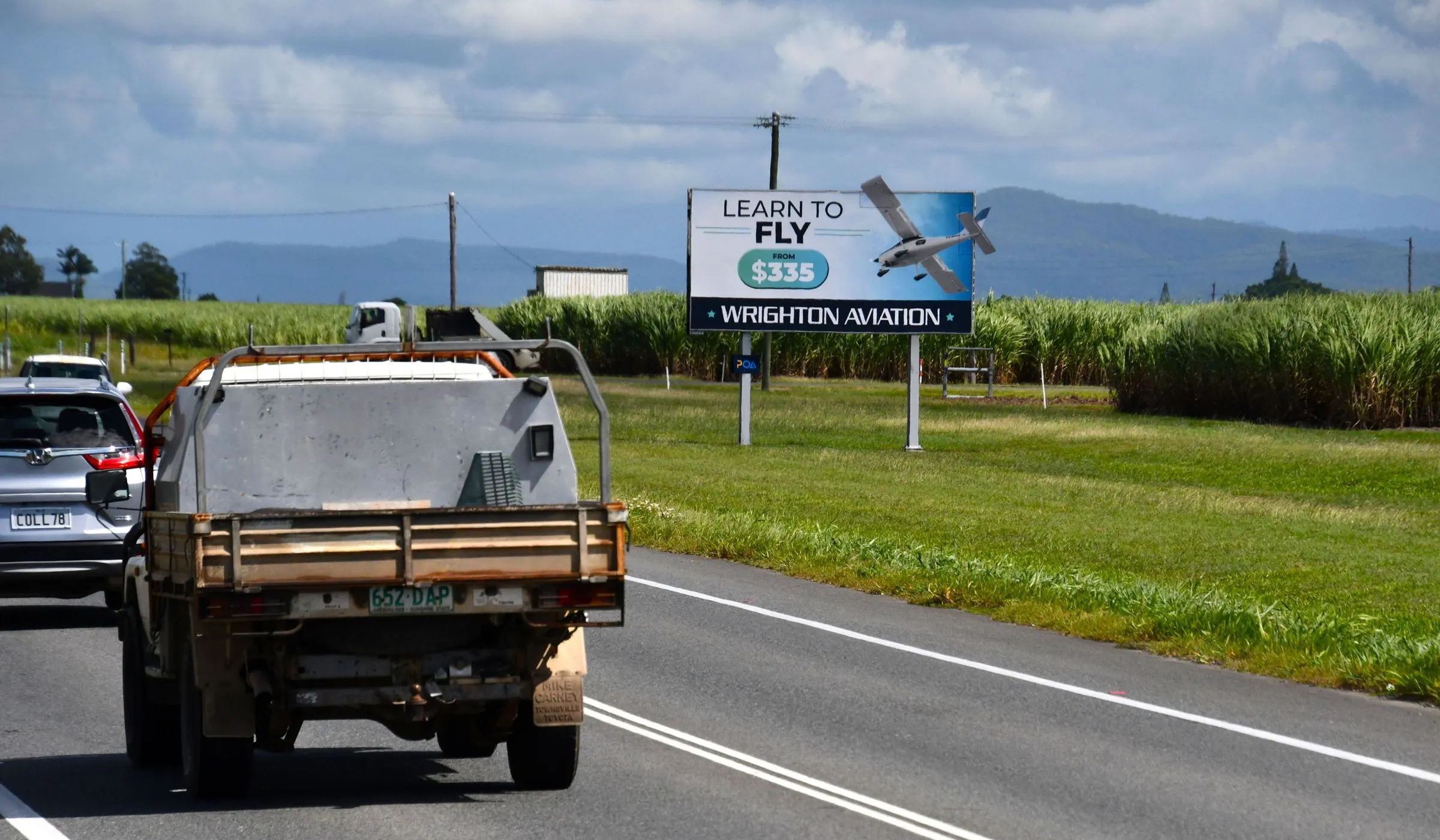
Billboard advertising can be a cost-effective channel in your marketing mix - but it takes careful planning to balance the return on investment. Most small business owners see billboards as brand awareness tools, rather than conversion drivers. The reality is that billboards can drive both. This gui
Read Article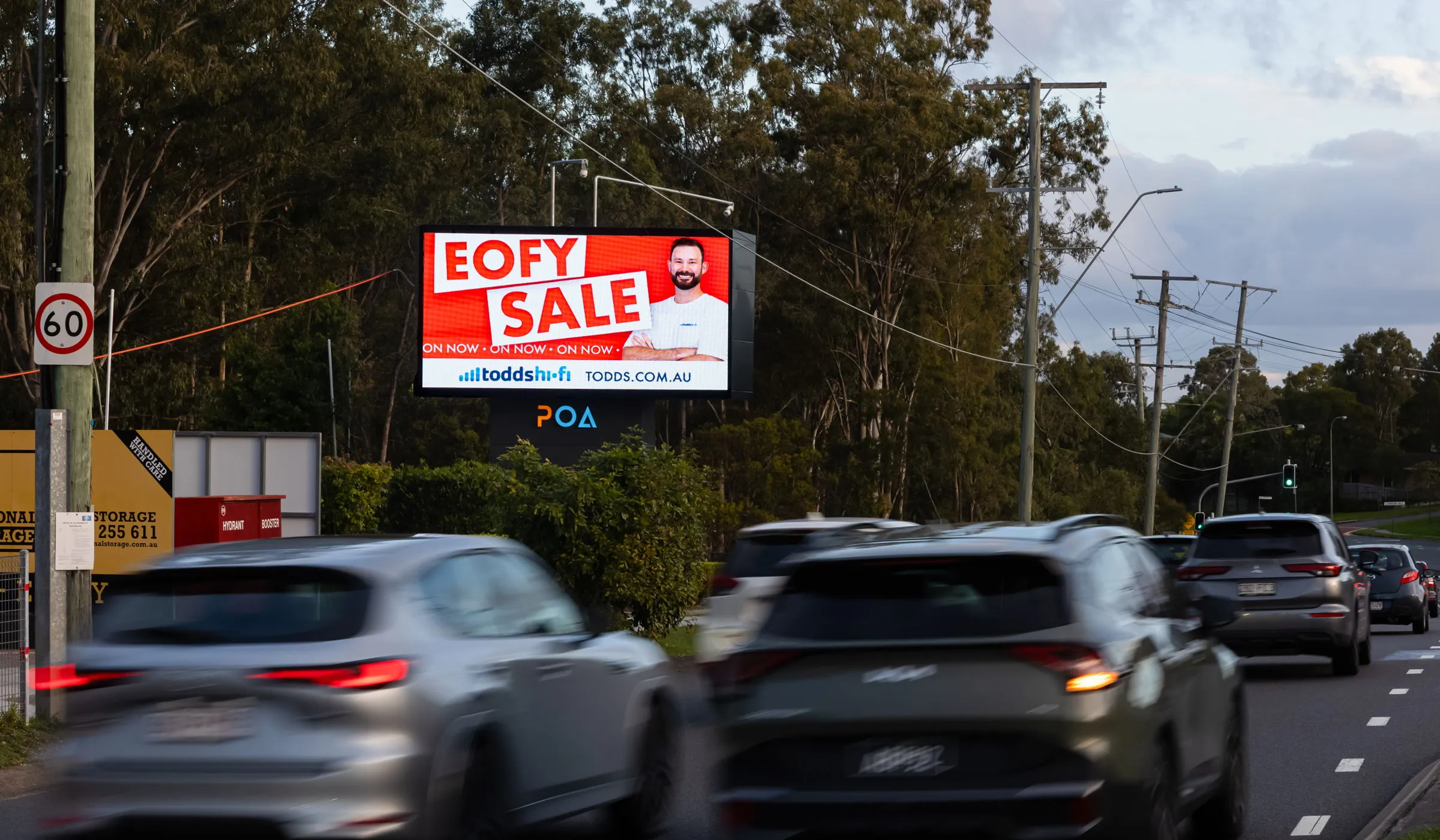
Billboard advertising and outdoor advertising continues to be one of the most effective ways for brands to reach prospective customers at scale. The latest data from 2025 published by the Outdoor Media Association (OMA) shows that out of home (OOH) advertising reaches 97% of Australians aged 1
Read Article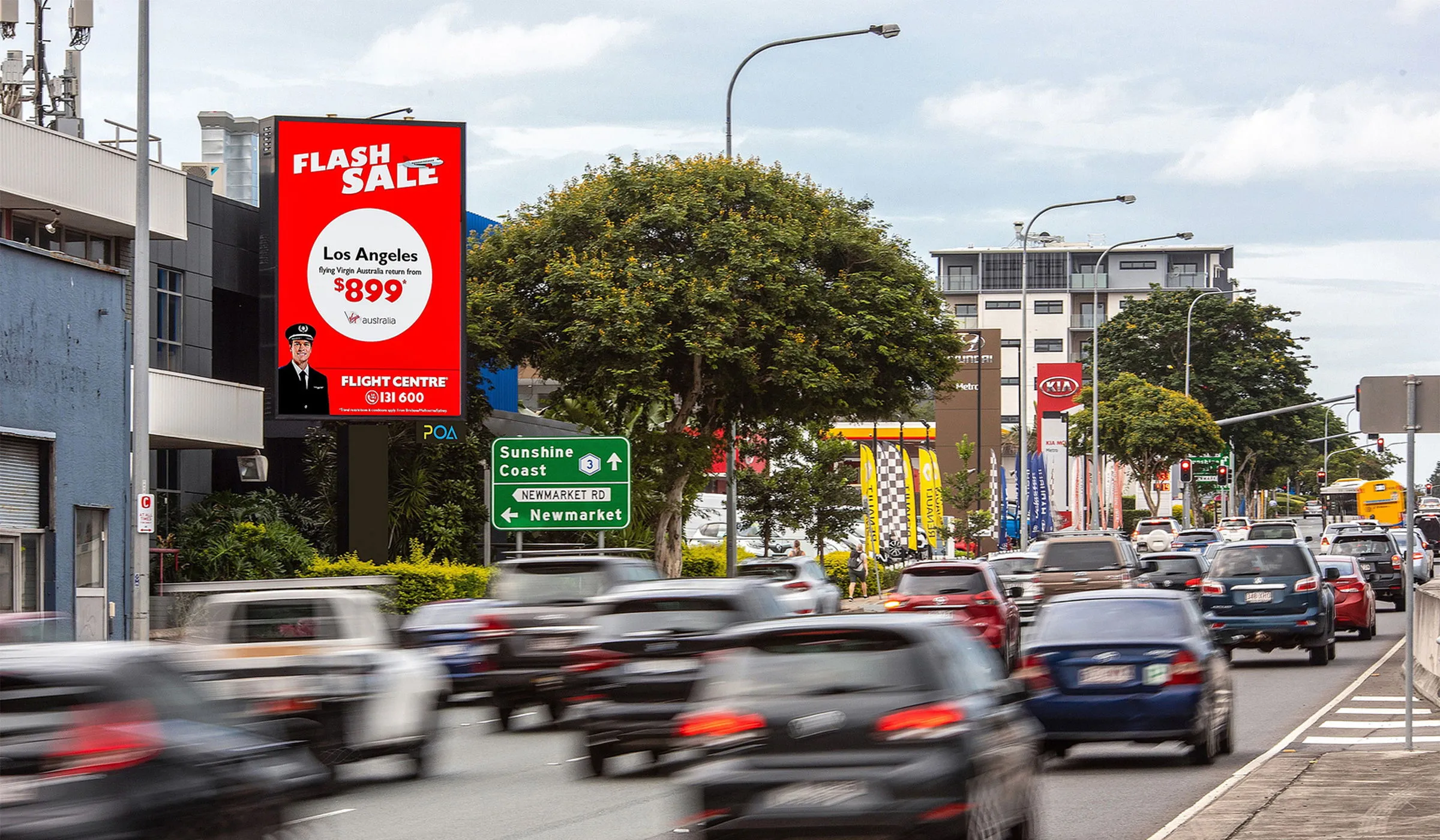
Billboard advertising (and by extension, out-of-home marketing) remains as effective at cutting through the noise as ever - billboard advertising statistics show that billboard advertising spend is increasing, and more companies are now including billboard advertising in their marketing mix in 2026.
Read Article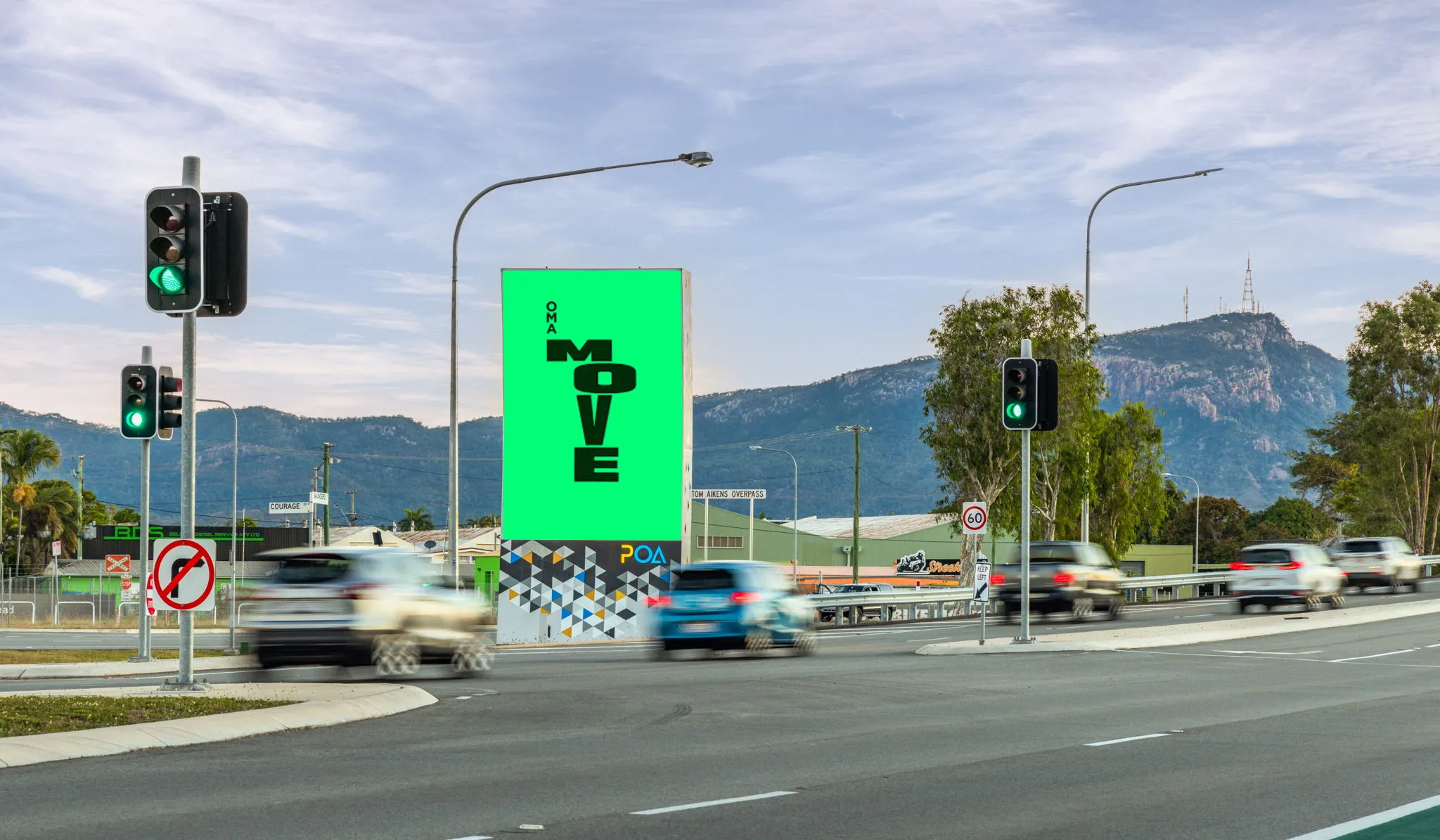
Launch of OMA Move and the Future of Regional Out of Home POA Billboards, a proud member of the Outdoor Media Association (OMA), is pleased to acknowledge the recent launch of Move — an industry-led initiative introduced by the OMA, Australia’s peak governing body for Out of Home (OOH) m
Read Article