


Billboard advertising can be a cost-effective channel in your marketing mix - but it takes careful planning to balance the return on investment.
Most small business owners see billboards as brand awareness tools, rather than conversion drivers. The reality is that billboards can drive both.
This guide covers everything small business owners need to know about billboard advertising, including ROI, cost, placements, and design principles.
Do billboards work for small businesses?
Billboards remain one of the most effective traditional advertising methods. A few advantages make them especially useful for smaller businesses:
Unavoidable reach
OOH advertising reaches 97% of Australians aged 14 and over every single week. Billboards can't be skipped, blocked or scrolled past the way digital ads can. Approximately 93% of consumers skip or block ads, but a billboard is always on, 24/7.
Local targeting
A campaign can provide messaging in the exact geographic pockets where customers live, work and drive. Small businesses know their customers well, and billboards let that knowledge translate into placement.
A bigger brand feel
A well-placed billboard lets a small business look as established as a much larger competitor, building credibility with the local audience.
Billboards also perform best alongside other channels - it’s not a competing choice between billboards versus socials or online ads. OMA research found that combining OOH with digital can increase conversions by 40% compared with digital alone.
Focus on ROI, not just awareness
Billboards deliver the highest consumer recall of any marketing channel, at approximately 86%, often outperforming radio, podcasts, online ads and TV streaming.
This recall translates into action: one Nielsen study found 46% of consumers use a search engine to look up a business after seeing out-of-home (OOH) advertising, and OOH drives a disproportionately high share of search activity relative to its modest slice of ad spend.
For small businesses that are trying to build a recognisable brand, leveraging a billboard’s effectiveness across both ROI and awareness is the best approach. To track performance, measure the website or foot traffic before the campaign, then attribute the increase after the billboard has gone live.
Budgeting for billboards
Cost is a limitation for many small businesses, so it helps to understand what drives billboard advertising costs. There are four main cost factors: the type of billboard, the location, the length of the booking, and production costs. Other considerations include:
- Static is cheaper than digital, by roughly $300 to $400 less per site per four-week period, though actual pricing varies with the specifics.
- Creative is a separate line item. The cost of designing the artwork is not included in the media cost and needs to be budgeted for.
- Longer campaigns are more cost-effective. Static sites are typically booked for a minimum of four weeks, but most businesses run 12 months or longer to achieve a genuinely ROI-positive result.
Billboard design and formats
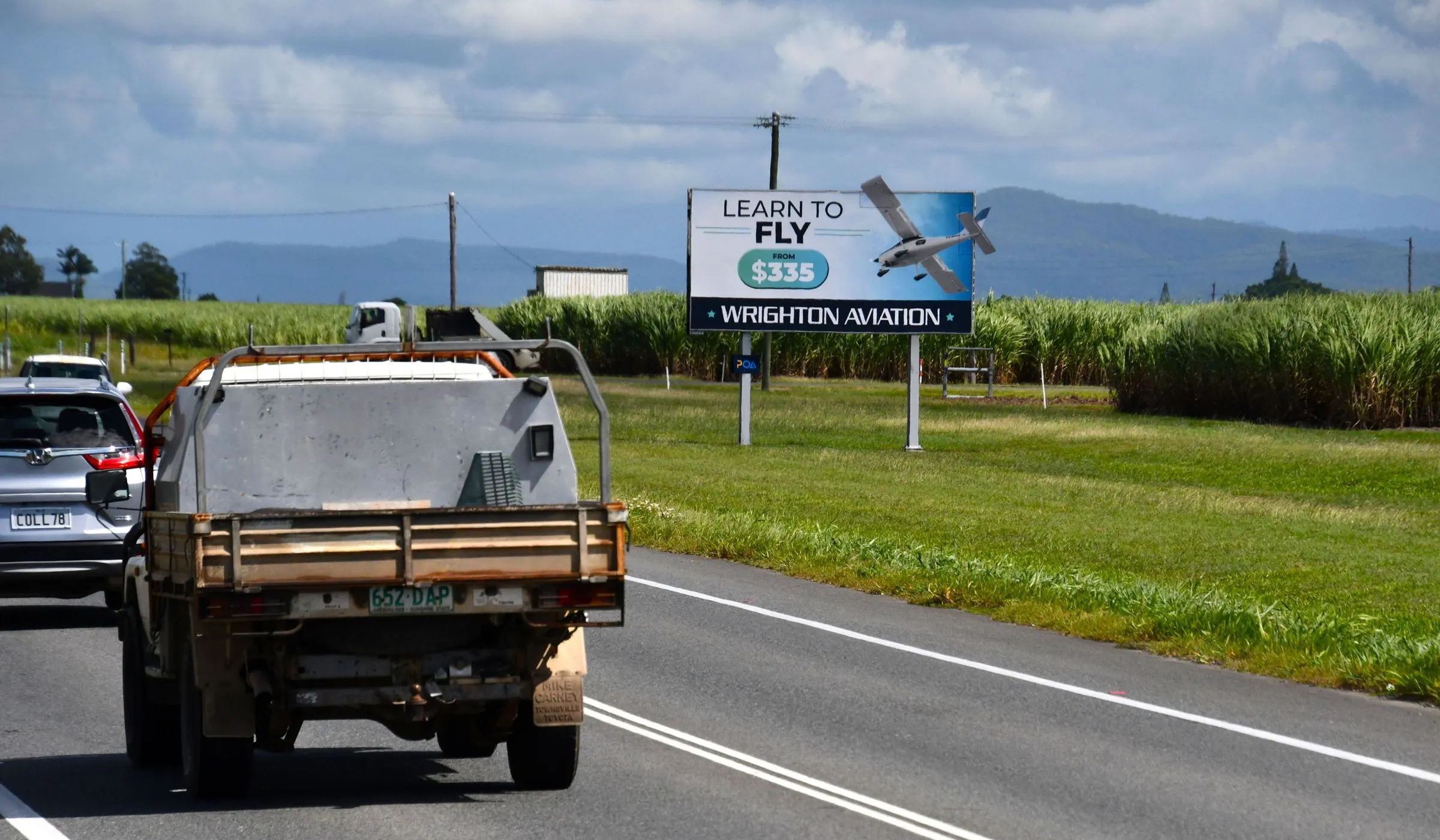
Billboards can be either static or digital; each format comes with pros and cons. There are also different sizing formats, from Supersite billboards (12m x 3m) that dominate arterial roads and highways, to Poster billboards (6m x 3m, 4m x 3m or 2m x 3m) that are more suited to the needs of small businesses with strategic placement along pockets of foot and road traffic around a store.
Billboard design can be tweaked from existing marketing assets or promotional posters, whether in-house or with the help of the billboard agency’s design team at an added cost. Billboards may be larger in size, but with only about six seconds of viewing time, the message still needs to land at a glance, so copy should stay minimal and the design focused on one clear idea.
Billboard advertising planning steps
- Identify the objective and audience
- Establish a simple, compelling message with an offer
- Consult a local billboard advertising agency
- Book campaign period and locations
- Finalise the billboard creative
- Installation, maintenance, and reporting
Work with the billboard experts in Queensland
Placement is arguably the most important decision in a campaign: that’s where local expertise comes into play. Placement is about reaching the right audience - location, timing and even the direction a billboard faces (which side of the road, which way traffic is flowing) all have a tangible impact on performance.
A regional operator with an extensive network can match a small business's objectives and target market to specific sites, rather than leaving it to guesswork. POA, for example, runs over 2,000 billboards across Brisbane, and up to Cairns, out to Mt Isa and the rest of Queensland, providing local knowledge about which corridors and directions actually perform based on audiences.
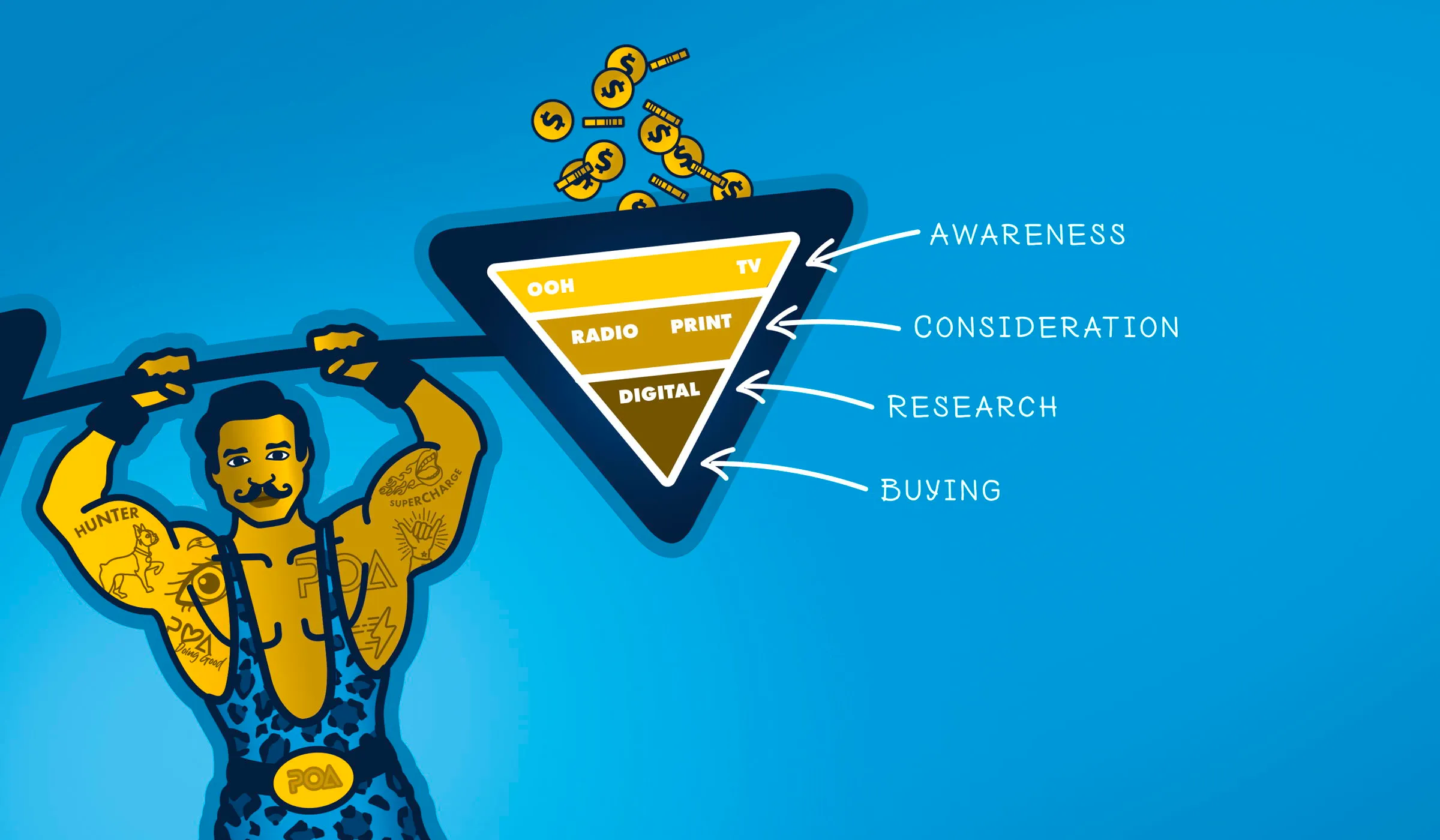
Choosing the best advertising strategy for your business can be the difference between being memorable and being forgettable. You might have the best product or service in the country, but if no one knows about it, then you'll be missing out on sales. In an age where we all hear so much about Meta a
Read Article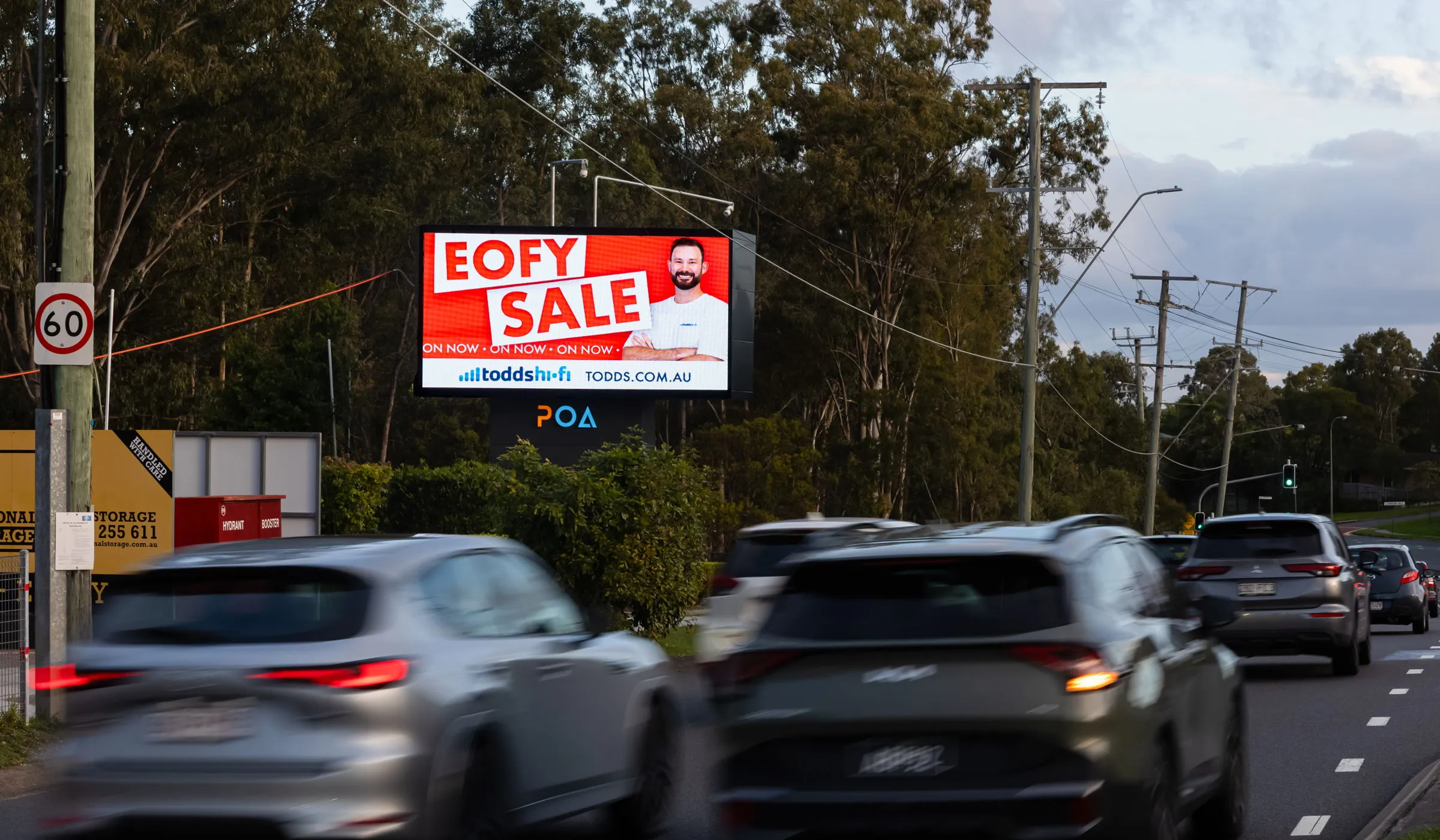
Billboard advertising and outdoor advertising continues to be one of the most effective ways for brands to reach prospective customers at scale. The latest data from 2025 published by the Outdoor Media Association (OMA) shows that out of home (OOH) advertising reaches 97% of Australians aged 1
Read Article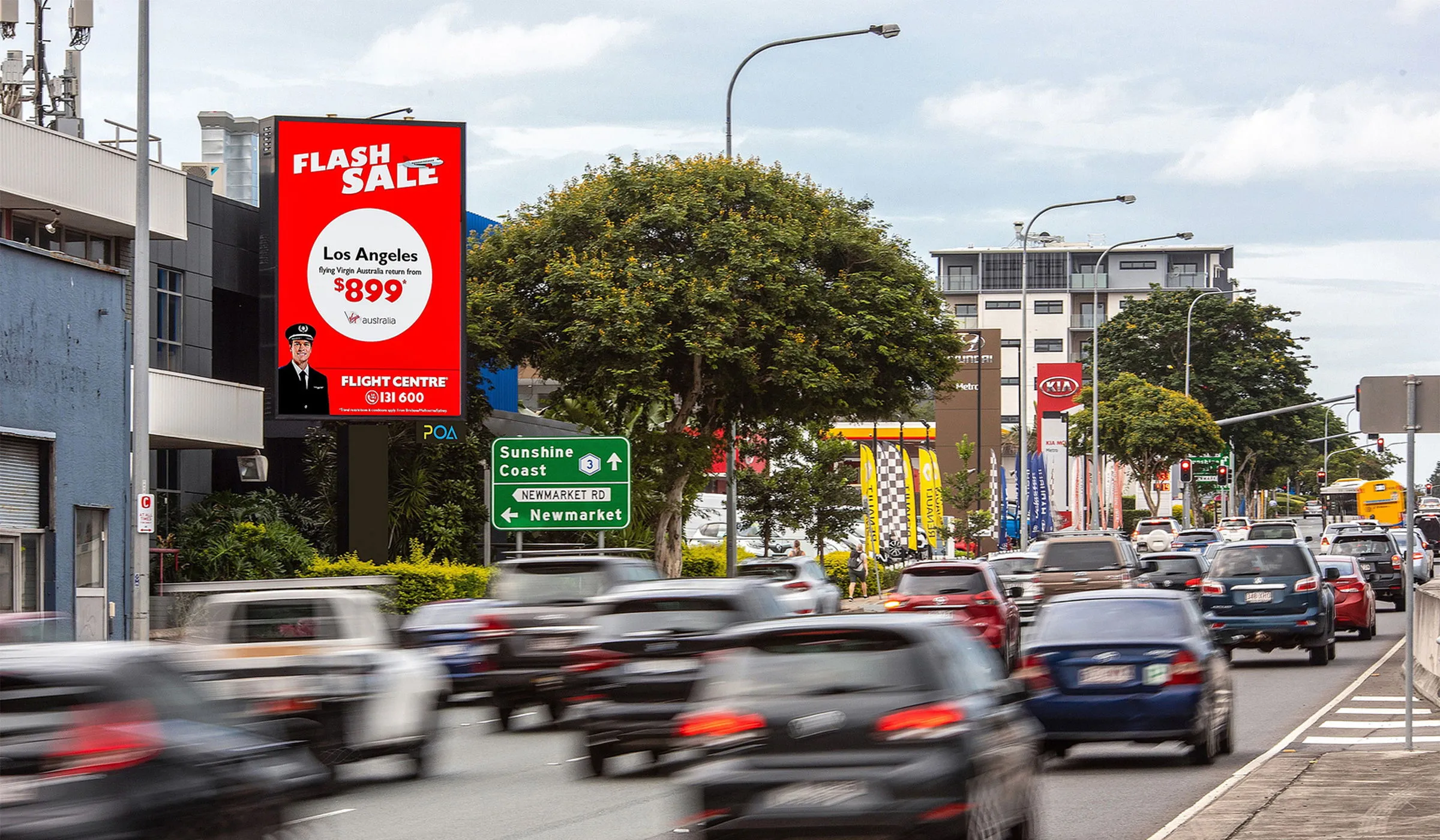
Billboard advertising (and by extension, out-of-home marketing) remains as effective at cutting through the noise as ever - billboard advertising statistics show that billboard advertising spend is increasing, and more companies are now including billboard advertising in their marketing mix in 2026.
Read Article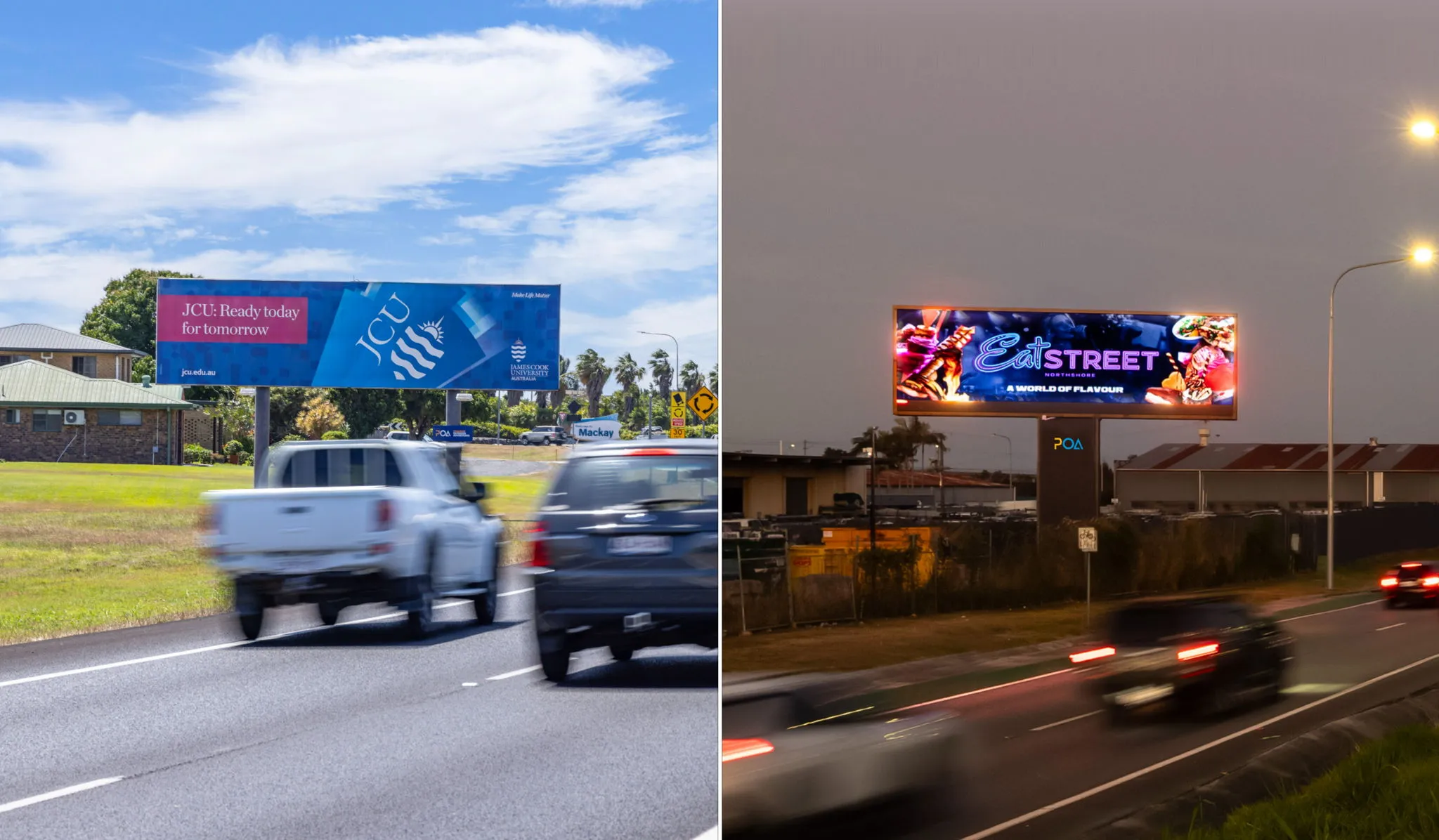
The outdoor advertising landscape in Australia has experienced rapid digitisation - in 2026, LED billboards are now commonplace in city centres, transport hubs, and along arterial roads. With digital advertising options coming into the spotlight, it raises the question of static billboards vs
Read Article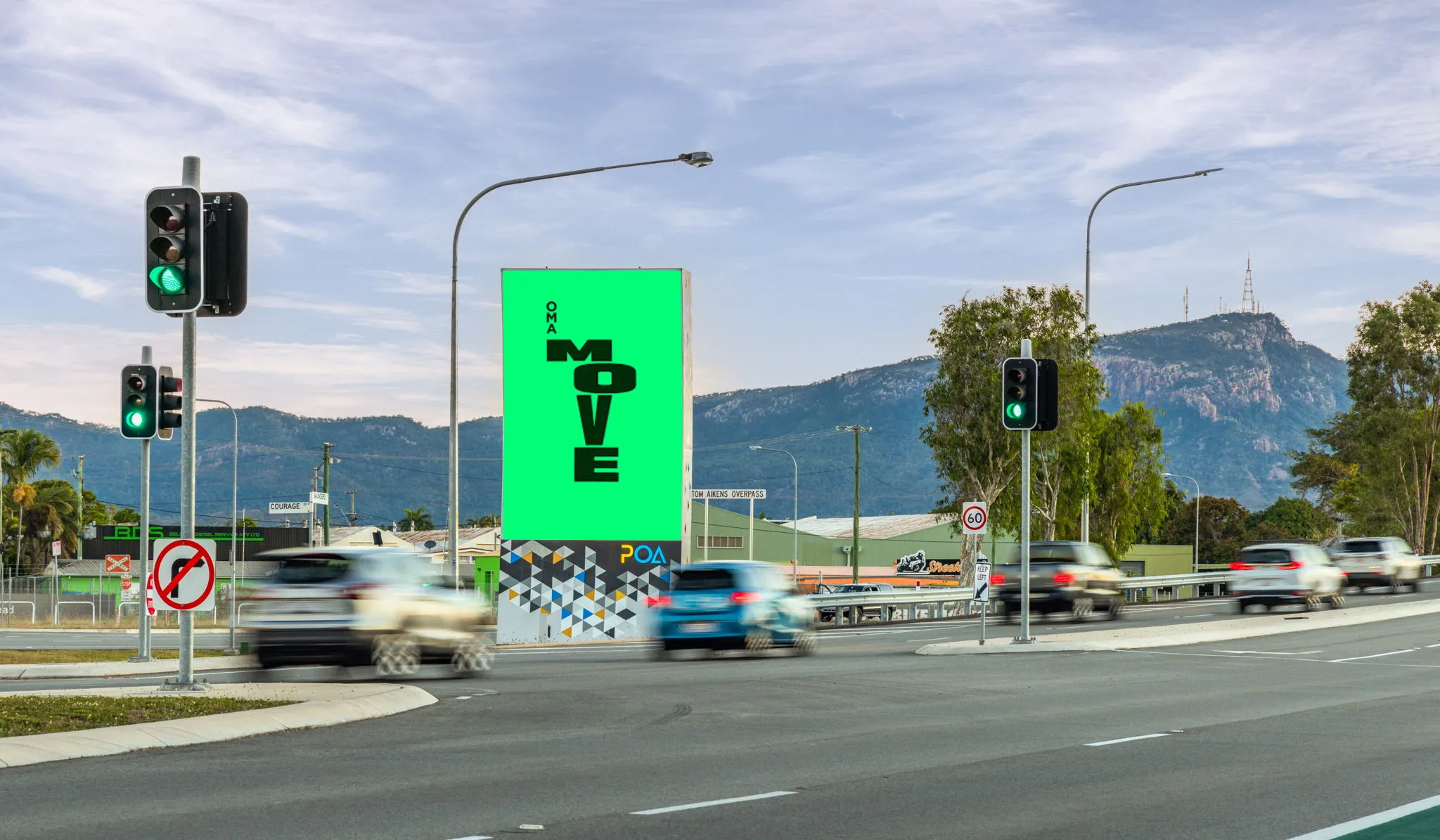
Launch of OMA Move and the Future of Regional Out of Home POA Billboards, a proud member of the Outdoor Media Association (OMA), is pleased to acknowledge the recent launch of Move — an industry-led initiative introduced by the OMA, Australia’s peak governing body for Out of Home (OOH) m
Read Article