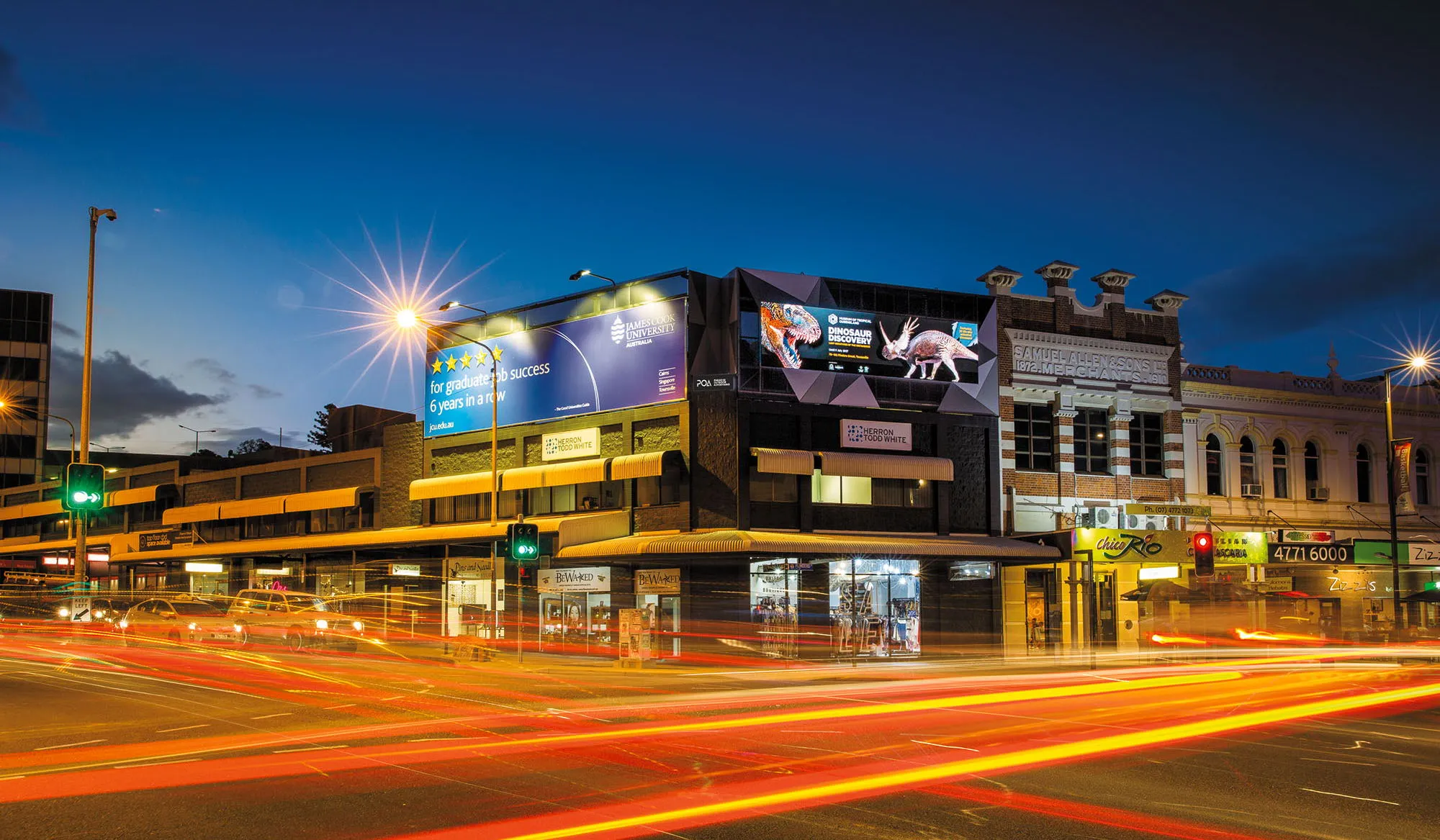
Billboards are one of Australia’s most visibly impactful forms of advertising in terms of numbers and appearance. Over 74% of Australians see billboards every day; several times a week - and 88% of Australians agree that brands on billboards stand out.
In addition to traditional roadside billboards, we now also have the technology of digital billboards at junctions, airports, shopping districts, and lightboxes that come in different shapes and sizes.
This guide will outline the different types of billboards available for advertising to help clarify what type of placement is best suited to your next campaign.
Traditional Billboards
Traditional billboards are made using a vinyl skin that is fitted to the display surface. It’s estimated that the traditional billboard accounts for 60% of all billboards in Australia.
Digital Billboards
Digital billboards are the modern alternative to traditional vinyl billboards, using LED panels for high-definition visuals. Australia has the highest ratio of digital outdoor advertising in the world, with digital out-of-home advertising accounting for 76.6% of the country’s total annual net media revenue (Outdoor Media Association, 2025).
Digital billboards share the same sizes as traditional billboards - supersite, landmark, and poster variations equipped with digital LED displays instead.
Billboard advertising is an effective way of reaching audiences and establishing a recognisable brand image. POA has operated since 1983 building an extensive network of over 2,000 billboards in Townsville, Cairns, Mackay, Rockhampton, Mount Isa, Toowoomba, Brisbane, and everywhere in between. Partner with us to reach your target audience and drive results for a marketing campaign. Get in touch with our team to inquire about billboard booking dates and availability. Built for brands who want to own Queensland.
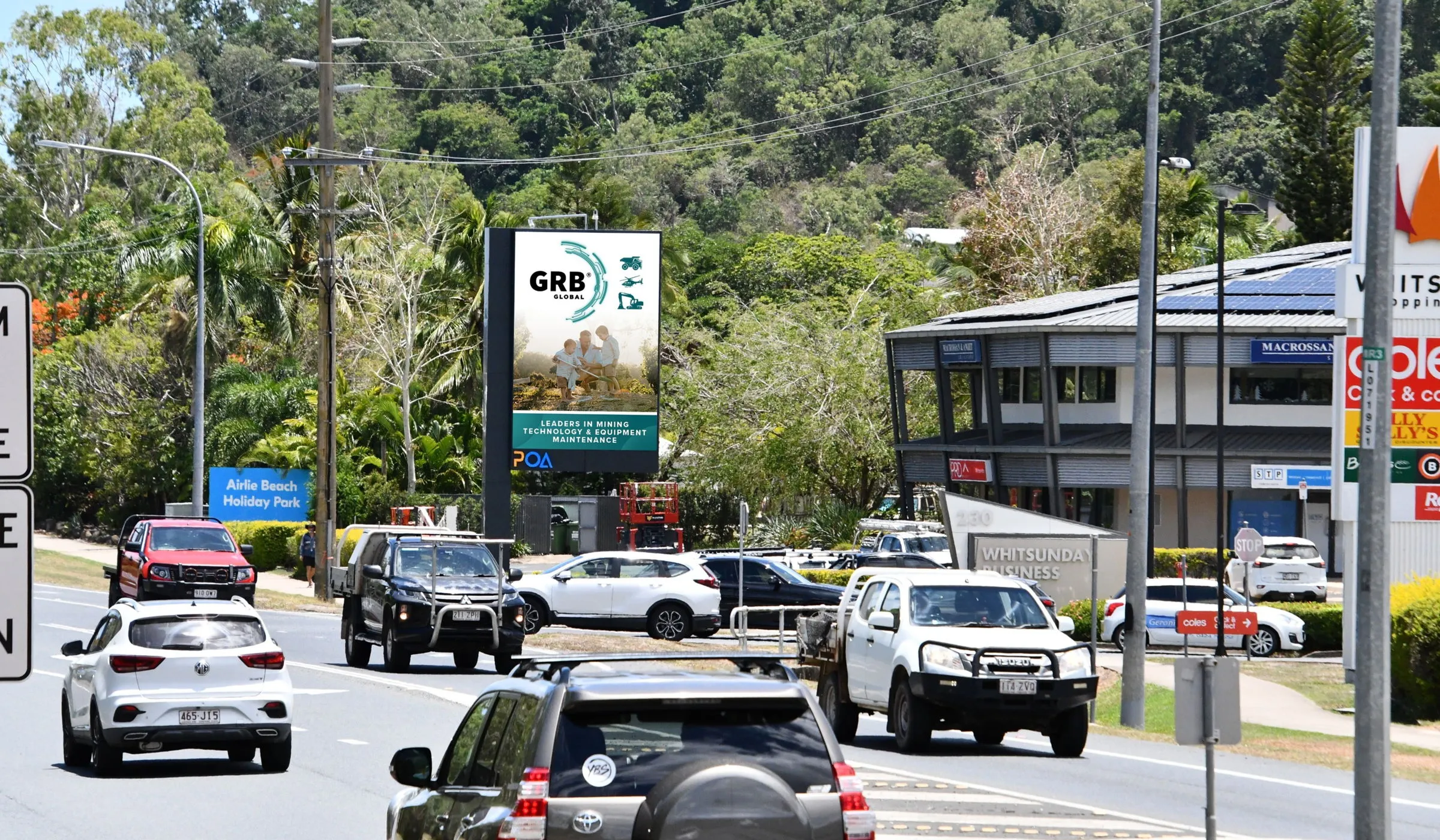
AIRLIE BEACH – POA has further strengthened the out-of-home advertising landscape in the Whitsundays with the launch of a brand-new digital billboard in Airlie Beach, built and installed late last year. The premium digital site is strategically positioned along a key Airlie Beach route, delive
Read Article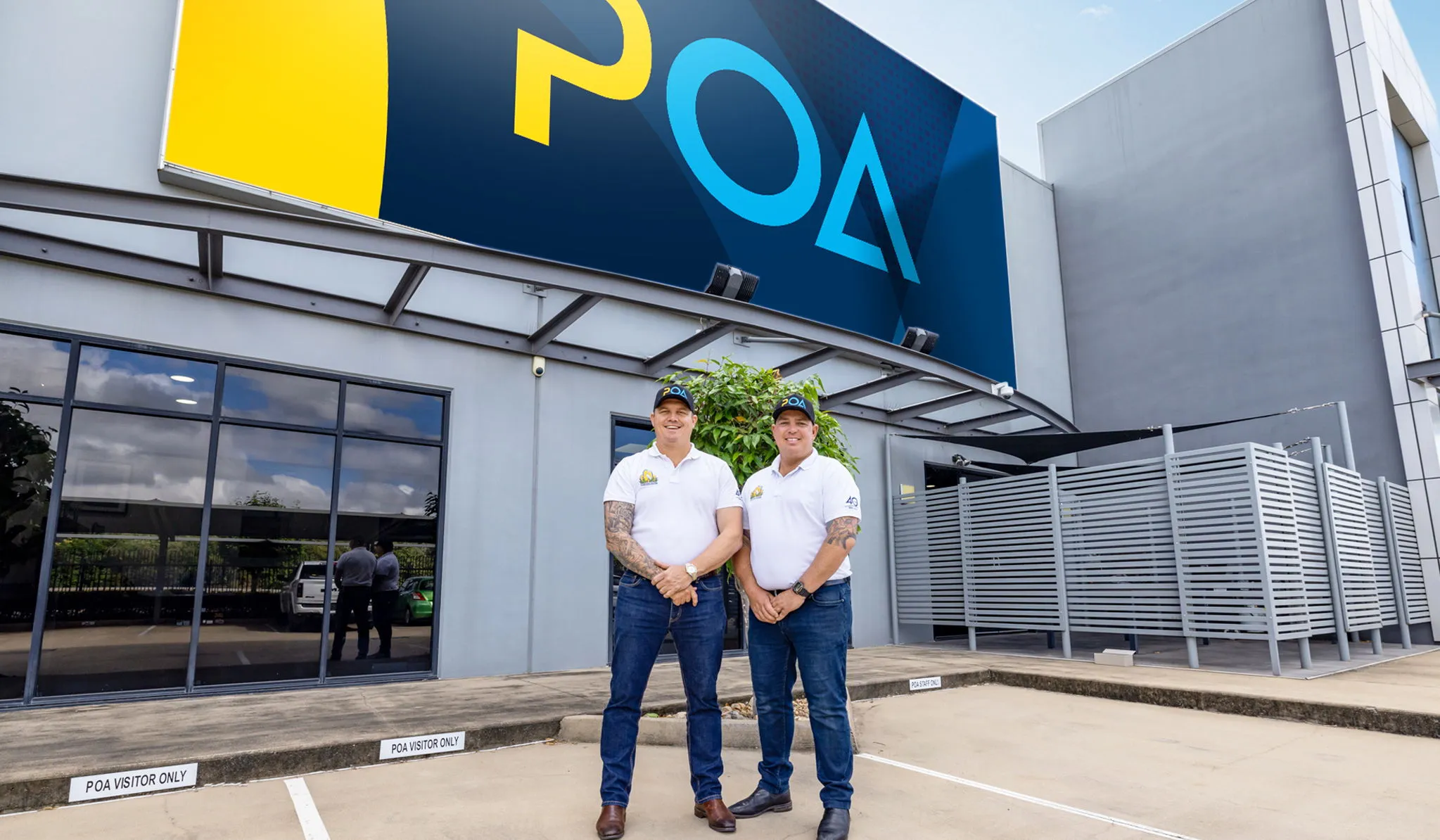
POA Expands Reach with Acquisition of BIG Outdoor, Cementing Leadership in Queensland OOH Market Brisbane, Australia – 5th November 2025 POA (Paradise Outdoor Advertising), one of Australia’s largest independent Out of Home (OOH) media companies, has acquired BIG Outdoor, adding a premiu
Read Article
Billboards remain one of the most prominent forms of out-of-home advertising - the Outdoor Media Association reports that outdoor advertising like billboards reaches 97% of Australians each week. With so much of our marketing occurring online, billboards remain one of the most effective traditional
Read Article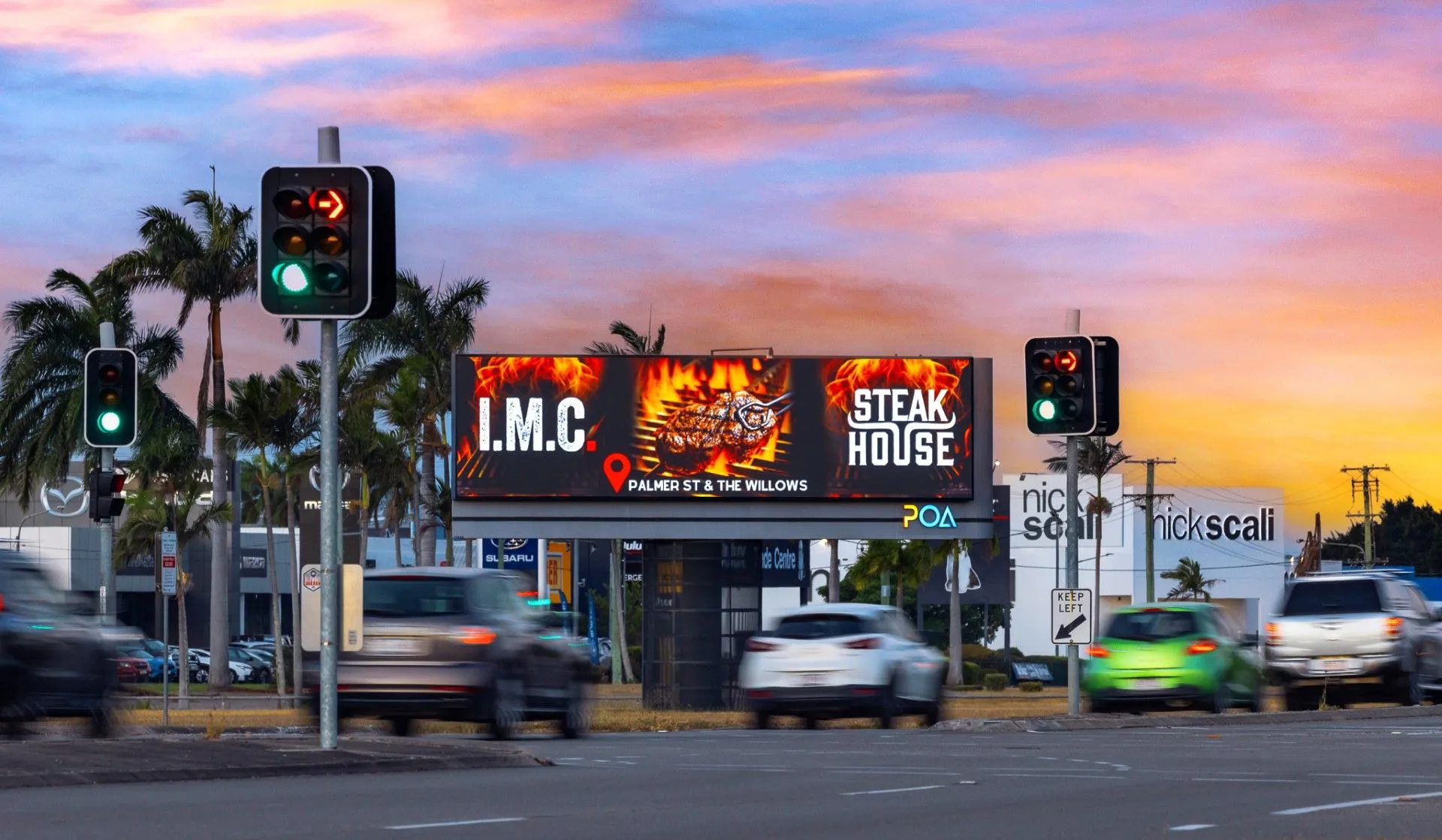
Billboard advertising has the potential to reach a huge audience - over 78% of Australians are exposed to outdoor advertising each month (Single Source Survey, Roy Morgan), with 88% of viewers stating that brands on billboards stand out from the competition (OMA survey). For businesses factoring bil
Read Article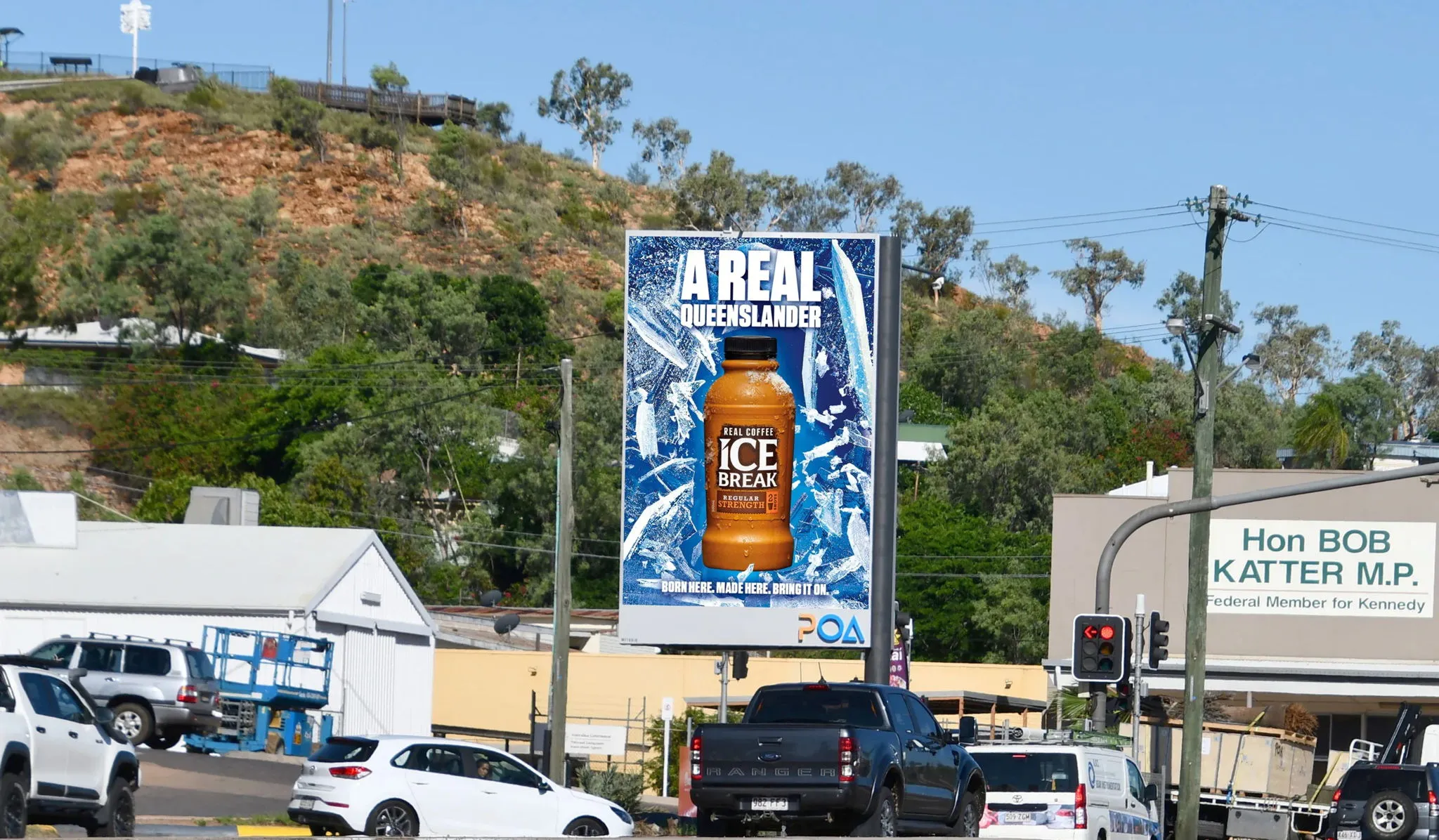
Due to SUPER high occupancy on our first westbound digital billboard in Mt Isa, we have just installed the eastbound billboard.Elevate your profile in North-West Queensland's iconic town and community and get your message displayed on this portrait digital billboard, as this is bound to impact all l
Read Article